


- Afhalen na 1 uur in een winkel met voorraad
- Gratis thuislevering in België vanaf € 30
- Ruim aanbod met 7 miljoen producten
- Afhalen na 1 uur in een winkel met voorraad
- Gratis thuislevering in België vanaf € 30
- Ruim aanbod met 7 miljoen producten





€ 305,45
+ 610 punten
Eenvoudig bestellen
Veilig betalen


Gratis thuislevering vanaf € 30 (via bpost)
Gratis levering in je Standaard Boekhandel
Omschrijving
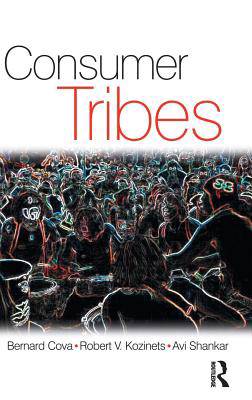
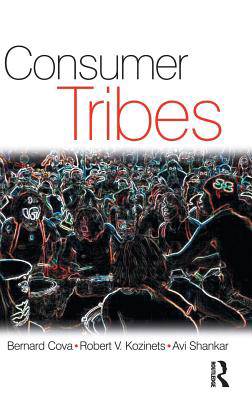
Marketing and consumer research has traditionally conceptualized consumers as individuals- who exercise choice in the marketplace as individuals not as a class or a group. However an important new perspective is now emerging that rejects the individualistic view and focuses on the reality that human life is essentially social, and that who we are is an inherently social phenomenon. It is the tribus, the many little groups we belong to, that are fundamental to our experience of life. Tribal Marketing shows that it is not individual consumption of products that defines our lives but rather that this activity actually facilitates meaningful social relationships. The social 'links' (social relationships) are more important than the things (brands etc.) The aim of this book is therefore to offer a systematic overview of the area that has been defined as "cultures of consumption"- consumption microcultures, brand cultures, brand tribes, and brand communities. It is though these that students of marketing and marketing practitioners can begin to genuinely understand the real drivers of consumer behaviour. It will be essential to everyone who needs to understand the new paradigm in consumer research, brand management and communications management.
Specificaties
Betrokkenen
- Auteur(s):
- Uitgeverij:
Inhoud
- Aantal bladzijden:
- 360
- Taal:
- Engels
Eigenschappen
- Productcode (EAN):
- 9781138169975
- Verschijningsdatum:
- 26/11/2015
- Uitvoering:
- Hardcover
- Formaat:
- Genaaid
- Afmetingen:
- 156 mm x 234 mm
- Gewicht:
- 680 g


Alleen bij Standaard Boekhandel
+ 610 punten op je klantenkaart van Standaard Boekhandel
CADEAU

AANGERADEN


Beoordelingen
We publiceren alleen reviews die voldoen aan de voorwaarden voor reviews. Bekijk onze voorwaarden voor reviews.