


- Afhalen na 1 uur in een winkel met voorraad
- Gratis thuislevering in België vanaf € 30
- Ruim aanbod met 7 miljoen producten
- Afhalen na 1 uur in een winkel met voorraad
- Gratis thuislevering in België vanaf € 30
- Ruim aanbod met 7 miljoen producten





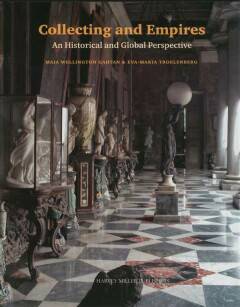
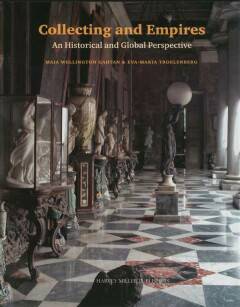
Collecting and Empires
The Impact of Empires on Collections and Museums from Antiquity to the Present
Maia W. Gahtan
€ 148,40
+ 296 punten
Omschrijving
The creation and dissolution of empires has been a constant feature of human history from ancient times through the present day. Establishing new identities and new power relationships, empires also irrevocably altered social structures and the material culture on which those social structures were partly based. The political activities of empires are materially reflected in the movement of objects from periphery to center (and vice versa) and in the formation and display of collections which represent the potential for the production and the dissemination of knowledge. Imperial collecting practices tell stories that are complementary to and go beyond the classical sources of official history, the statistics of social history and even the narratives of collective or individual oral history. Building on previous work on European and Colonial object histories, this collection of essays--for the first time--approaches the subject of collecting and empires from a global and inclusive comparative perspective by addressing selection of the greatest empires the world has known from Han China to Hellenistic Greece to Aztec Mexico to the Third Reich. The comparative historical investigation of imperialism through the lens of collecting practices, museum archetypes and museums proper, helps shape our understanding of contemporary aesthetics and diversity management as well as helps identify what is imperial about our own approaches to material culture.
Specificaties
Betrokkenen
- Auteur(s):
- Uitgeverij:
Inhoud
- Aantal bladzijden:
- 393
- Taal:
- Engels
- Reeks:
- Reeksnummer:
- nr. 4
Eigenschappen
- Productcode (EAN):
- 9781909400634
- Verschijningsdatum:
- 18/07/2019
- Uitvoering:
- Hardcover
- Formaat:
- Genaaid
- Afmetingen:
- 229 mm x 287 mm
- Gewicht:
- 2018 g


Alleen bij Standaard Boekhandel
+ 296 punten op je klantenkaart van Standaard Boekhandel
Cadeau

AANGERADEN


Beoordelingen
We publiceren alleen reviews die voldoen aan de voorwaarden voor reviews. Bekijk onze voorwaarden voor reviews.