


- Afhalen na 1 uur in een winkel met voorraad
- Gratis thuislevering in België vanaf € 30
- Ruim aanbod met 7 miljoen producten
- Afhalen na 1 uur in een winkel met voorraad
- Gratis thuislevering in België vanaf € 30
- Ruim aanbod met 7 miljoen producten





€ 104,95
+ 209 punten
Eenvoudig bestellen
Veilig betalen


Gratis thuislevering vanaf € 30 (via bpost)
Gratis levering in je Standaard Boekhandel
Omschrijving
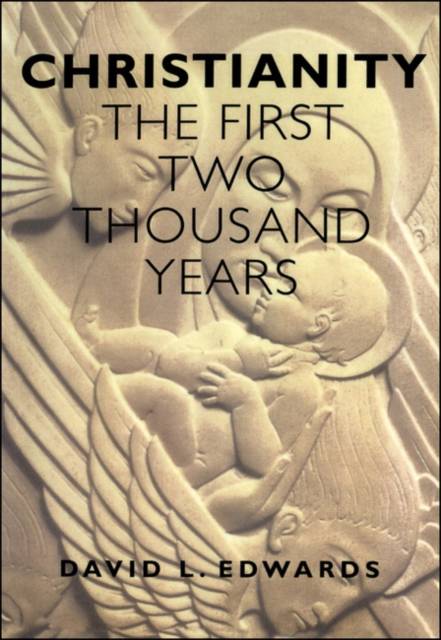
A survey of two thousand years of Christianity, this wide-ranging and authoritative hisotry starts with the birth of Jesus and maps out the broad sweep of the Christian religion as it has taken root in cultures and societies over five continents. The author sets each period in it's historical, political and philosophical context. David Edwards assumes no specialist knowledge, yet this sensitive critique will also be satisfying to the theologically educated. But the year AD 2000 is not the end of history. If, for the historian, the millenium provides a platform for looking back over the panorama of the past, it is also a standpoint for looking forwar, and so the book ends with a challenging question: what will the next two thousand years bring?
Specificaties
Betrokkenen
- Auteur(s):
- Uitgeverij:
Inhoud
- Aantal bladzijden:
- 676
- Taal:
- Engels
- Reeks:
Eigenschappen
- Productcode (EAN):
- 9780304704699
- Verschijningsdatum:
- 1/01/2001
- Uitvoering:
- Paperback
- Formaat:
- Trade paperback (VS)
- Afmetingen:
- 170 mm x 244 mm
- Gewicht:
- 1065 g


Alleen bij Standaard Boekhandel
+ 209 punten op je klantenkaart van Standaard Boekhandel
CADEAU

AANGERADEN


Beoordelingen
We publiceren alleen reviews die voldoen aan de voorwaarden voor reviews. Bekijk onze voorwaarden voor reviews.