


- Afhalen na 1 uur in een winkel met voorraad
- Gratis thuislevering in België vanaf € 30
- Ruim aanbod met 7 miljoen producten
- Afhalen na 1 uur in een winkel met voorraad
- Gratis thuislevering in België vanaf € 30
- Ruim aanbod met 7 miljoen producten





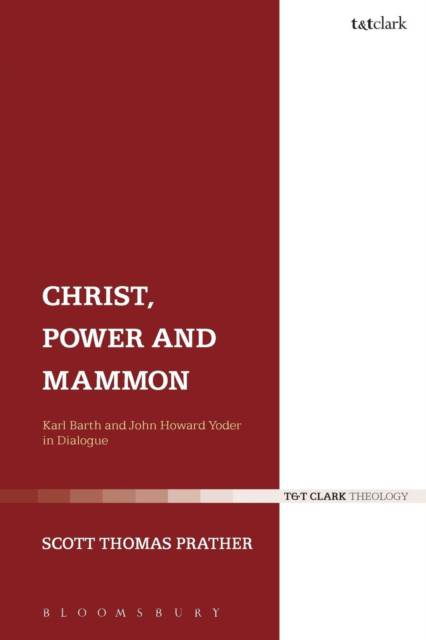
Christ, Power and Mammon
Karl Barth and John Howard Yoder in Dialogue
Scott Thomas Prather
Paperback | Engels
€ 89,95
+ 179 punten
Omschrijving
This book examines the role of the New Testament concept of the 'principalities and powers' in the thought of Karl Barth and John Howard Yoder, showing how this biblical concept of power is central to the fundamental theological convictions of each thinker.
Prather offers a scholarly account of the underexplored theological and ethical import of a major biblical theme and the book addresses questions and concerns from a wide range of academic and lay theological interest. He brings Barth and Yoder into dialogue here and examines the three crucial areas: the 'confessional' distinction of church and world; the demonization of political power; and the intrinsic relation between the political and economic powers. While other theologians have rightly identified a 'christocentric' connection between the thought of Barth and Yoder, no attempt has been made to bring them together through the sustained analysis of a single doctrinal or ethical issue - this book does just that.Specificaties
Betrokkenen
- Auteur(s):
- Uitgeverij:
Inhoud
- Aantal bladzijden:
- 320
- Taal:
- Engels
Eigenschappen
- Productcode (EAN):
- 9780567659798
- Verschijningsdatum:
- 18/12/2014
- Uitvoering:
- Paperback
- Formaat:
- Trade paperback (VS)
- Afmetingen:
- 156 mm x 234 mm
- Gewicht:
- 435 g


Alleen bij Standaard Boekhandel
+ 179 punten op je klantenkaart van Standaard Boekhandel
Cadeau

AANGERADEN


Beoordelingen
We publiceren alleen reviews die voldoen aan de voorwaarden voor reviews. Bekijk onze voorwaarden voor reviews.