


- Afhalen na 1 uur in een winkel met voorraad
- Gratis thuislevering in België vanaf € 30
- Ruim aanbod met 7 miljoen producten
- Afhalen na 1 uur in een winkel met voorraad
- Gratis thuislevering in België vanaf € 30
- Ruim aanbod met 7 miljoen producten





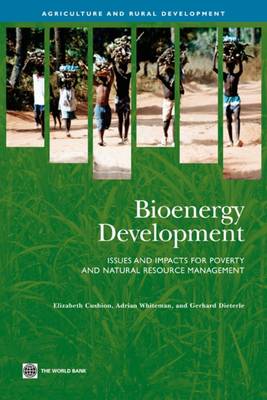
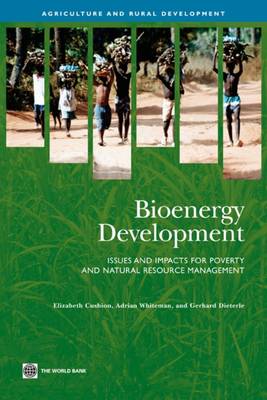
Bioenergy Development
Issues and Impacts for Poverty and Natural Resource Management
Elizabeth Cushion, Adrian Whiteman, Gerhard Dieterle
€ 59,45
+ 118 punten
Omschrijving
Bioenergy has been critical to humanity since the cave dwellers first used wood to cook their food and stay warm at night. Ancient forms of bioenergy ¿ firewood and cow dung patties ¿ remain primary fuel sources for rural and poor people. New sources of bioenergy including ¿black liquor¿, biodiesel, cellulosic ethanol and many more, have great promise and generate great controversy. This book gives an overview of bioenergy developments and examines the main issues and possible socioeconomic implications of these developments and their potential impacts on land use and the environment, especially with respect to forests. The paper presents an introduction to bioenergy, provides a background and overview of solid biomass and liquid biofuels, and examines opportunities and challenges at the regional and country level. It also examines potential impacts for specific types of bioenergy. The book does not pretend to be definitive, especially with respect to the controversial interplay of subjects like the impact of bioenergy on food prices, but it does try to suggest the tradeoffs that need to be examined in considering bioenergy policies, and it has five main findings: Solid biomass will continue to provide a principal source of energy and should not be overlooked. There will be major land use implications resulting from bioenergy developments. It is critical to consider tradeoffs, including those related to poverty, equity and the environment, when considering bioenergy policies. There is considerable potential for greater use of forestry and timber waste as a bioenergy feedstock. The climate change impacts of bioenergy development are uncertain, and highly location and feedstock specific.
Specificaties
Betrokkenen
- Auteur(s):
- Uitgeverij:
Inhoud
- Aantal bladzijden:
- 268
- Taal:
- Engels
- Reeks:
Eigenschappen
- Productcode (EAN):
- 9780821376294
- Verschijningsdatum:
- 28/12/2009
- Uitvoering:
- Paperback
- Formaat:
- Trade paperback (VS)
- Afmetingen:
- 150 mm x 226 mm
- Gewicht:
- 362 g


Alleen bij Standaard Boekhandel
+ 118 punten op je klantenkaart van Standaard Boekhandel
Cadeau

AANGERADEN


Beoordelingen
We publiceren alleen reviews die voldoen aan de voorwaarden voor reviews. Bekijk onze voorwaarden voor reviews.