


- Afhalen na 1 uur in een winkel met voorraad
- Gratis thuislevering in België vanaf € 30
- Ruim aanbod met 7 miljoen producten
- Afhalen na 1 uur in een winkel met voorraad
- Gratis thuislevering in België vanaf € 30
- Ruim aanbod met 7 miljoen producten





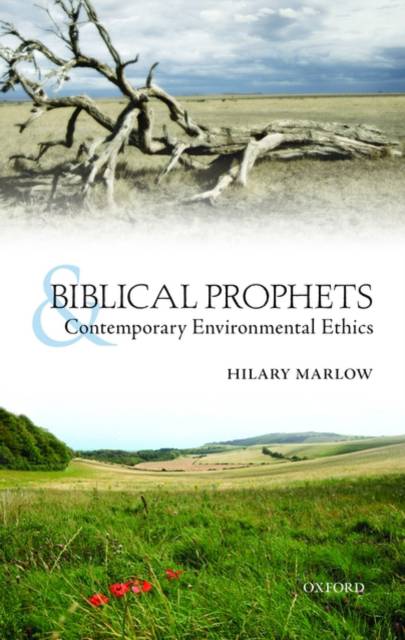
Biblical Prophets and Contemporary Environmental Ethics
Re-Reading Amos, Hosea, and First Isaiah
Hilary Marlow
Hardcover | Engels
€ 233,95
+ 467 punten
Omschrijving
In the context of growing concern over climate change and other environmental pressures, Biblical Prophets and Contemporary Environmental Ethics explores what an ecological reading of the biblical text can contribute to contemporary environmental ethics. The Judaeo-Christian tradition has been held partly to blame for a negative attitude to creation - one that has legitimised the exploitative use of the earth's resources. Hilary Marlow explores some of the thinking in the history of the Christian tradition that has contributed to such a perception, before discussing a number of approaches to reading the Old Testament from an ecological perspective.
Through a detailed exegetical study of the texts of the biblical prophets Amos, Hosea, and First Isaiah, Marlow examines the portrayal of the relationship between YHWH the God of Israel, humanity and the non-human creation. In the course of this exegesis, searching questions emerge: what are the various understandings of the non-human creation that are present in the text? What assumptions are made about YHWH's relationship to the created world and how he acts within it? And what effect do the actions and choices of human beings have on the created world?
Following this close textual study, Marlow examines the problem of deriving ethical norms from the biblical text and discusses some key ethical debates in contemporary environmental theory. The book explores the potential contribution of the biblical exegesis to such debates and concludes by proposing an inter-relational model for reading the Old Testament prophets in the light of contemporary environmental ethics.
Through a detailed exegetical study of the texts of the biblical prophets Amos, Hosea, and First Isaiah, Marlow examines the portrayal of the relationship between YHWH the God of Israel, humanity and the non-human creation. In the course of this exegesis, searching questions emerge: what are the various understandings of the non-human creation that are present in the text? What assumptions are made about YHWH's relationship to the created world and how he acts within it? And what effect do the actions and choices of human beings have on the created world?
Following this close textual study, Marlow examines the problem of deriving ethical norms from the biblical text and discusses some key ethical debates in contemporary environmental theory. The book explores the potential contribution of the biblical exegesis to such debates and concludes by proposing an inter-relational model for reading the Old Testament prophets in the light of contemporary environmental ethics.
Specificaties
Betrokkenen
- Auteur(s):
- Uitgeverij:
Inhoud
- Aantal bladzijden:
- 356
- Taal:
- Engels
Eigenschappen
- Productcode (EAN):
- 9780199569052
- Verschijningsdatum:
- 13/12/2009
- Uitvoering:
- Hardcover
- Formaat:
- Ongenaaid / garenloos gebonden
- Afmetingen:
- 142 mm x 216 mm
- Gewicht:
- 589 g


Alleen bij Standaard Boekhandel
+ 467 punten op je klantenkaart van Standaard Boekhandel
CADEAU


Beoordelingen
We publiceren alleen reviews die voldoen aan de voorwaarden voor reviews. Bekijk onze voorwaarden voor reviews.