



Je cadeautjes zeker op tijd in huis hebben voor de feestdagen? Kom langs in onze winkels en vind het perfecte geschenk!
- Afhalen na 1 uur in een winkel met voorraad
- Gratis thuislevering in België vanaf € 30
- Ruim aanbod met 7 miljoen producten
Je cadeautjes zeker op tijd in huis hebben voor de feestdagen? Kom langs in onze winkels en vind het perfecte geschenk!
- Afhalen na 1 uur in een winkel met voorraad
- Gratis thuislevering in België vanaf € 30
- Ruim aanbod met 7 miljoen producten





Omschrijving
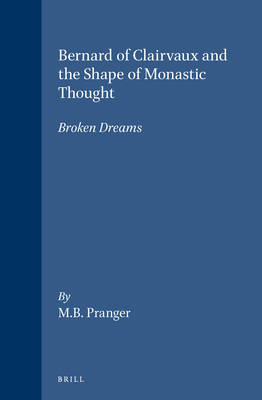
The work of Bernard of Clairvaux (1090-1153) consists of mystical highlights, moments of stylistic beauty and traditional exegetical discourse. In contrast to previous studies this book does not limit itself to the historical and devotional side of Bernard, but brings to the fore his stylistic originality. Bernard emerges as a flexible thinker, a great dramatist and an adroit master of language who combines the fixed pattern of monastic life with the vicissitudes of extra-mural events.
On the one hand, Bernard's writings are composed according to the rhythm of the uninterrupted ritual of prayer and singing inside the walls of the monastery. On the other hand, that ritual is interspersed with notions of love and death. The present study describes the literary devices through which Bernard shapes the monastic existence as a subtle blend of liturgical routine and uncontrollable events and emotions.
On the one hand, Bernard's writings are composed according to the rhythm of the uninterrupted ritual of prayer and singing inside the walls of the monastery. On the other hand, that ritual is interspersed with notions of love and death. The present study describes the literary devices through which Bernard shapes the monastic existence as a subtle blend of liturgical routine and uncontrollable events and emotions.
Specificaties
Betrokkenen
- Auteur(s):
- Uitgeverij:
Inhoud
- Aantal bladzijden:
- 387
- Taal:
- Engels
- Reeks:
- Reeksnummer:
- nr. 56
Eigenschappen
- Productcode (EAN):
- 9789004100558
- Verschijningsdatum:
- 1/08/1994
- Uitvoering:
- Hardcover
- Formaat:
- Genaaid
- Afmetingen:
- 167 mm x 245 mm
- Gewicht:
- 825 g


Alleen bij Standaard Boekhandel
+ 464 punten op je klantenkaart van Standaard Boekhandel
CADEAU


Beoordelingen
We publiceren alleen reviews die voldoen aan de voorwaarden voor reviews. Bekijk onze voorwaarden voor reviews.