


- Afhalen na 1 uur in een winkel met voorraad
- Gratis thuislevering in België vanaf € 30
- Ruim aanbod met 7 miljoen producten
- Afhalen na 1 uur in een winkel met voorraad
- Gratis thuislevering in België vanaf € 30
- Ruim aanbod met 7 miljoen producten





Omschrijving
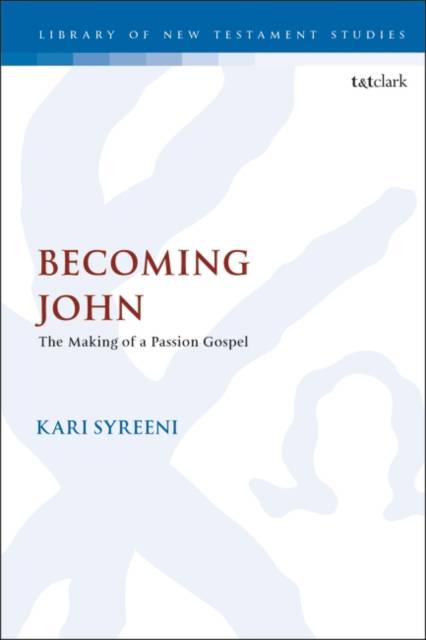
In this new analysis of the Gospel of John, Kari Syreeni argues that the gospel is a heavily reworked edition of an earlier Johannine work, and that the original did not include Jesus' passion. Syreeni theorizes that the original gospel ended at Chapter 12, with the notion of Jesus' disappearance from the world, and that the passion narrative was incorporated by a later editor freely using the existing gospels of Mark and Matthew.
Syreeni suggests that the letters of John - written after the predecessor gospels but before the final edition - reveal a schism in the Johannine community that was caused by the majority faction's acceptance of Jesus' death and resurrection, as it was then recorded in the new gospel. By exploring the gospel's different means of legitimizing the passion story, such as the creation of the 'Beloved Disciple' to witness Jesus' passion, and the foreshadowing of the resurrection of Jesus in the miracle of Lazarus, Syreeni provides a bold and provocative case for a new understanding of John.
Syreeni suggests that the letters of John - written after the predecessor gospels but before the final edition - reveal a schism in the Johannine community that was caused by the majority faction's acceptance of Jesus' death and resurrection, as it was then recorded in the new gospel. By exploring the gospel's different means of legitimizing the passion story, such as the creation of the 'Beloved Disciple' to witness Jesus' passion, and the foreshadowing of the resurrection of Jesus in the miracle of Lazarus, Syreeni provides a bold and provocative case for a new understanding of John.
Specificaties
Betrokkenen
- Auteur(s):
- Uitgeverij:
Inhoud
- Aantal bladzijden:
- 248
- Taal:
- Engels
- Reeks:
- Reeksnummer:
- nr. 590
Eigenschappen
- Productcode (EAN):
- 9780567694522
- Verschijningsdatum:
- 28/05/2020
- Uitvoering:
- Paperback
- Formaat:
- Trade paperback (VS)
- Afmetingen:
- 156 mm x 234 mm
- Gewicht:
- 344 g



Alleen bij Standaard Boekhandel
+ 152 punten op je klantenkaart van Standaard Boekhandel
CADEAU


Beoordelingen
We publiceren alleen reviews die voldoen aan de voorwaarden voor reviews. Bekijk onze voorwaarden voor reviews.