


- Afhalen na 1 uur in een winkel met voorraad
- Gratis thuislevering in België vanaf € 30
- Ruim aanbod met 7 miljoen producten
- Afhalen na 1 uur in een winkel met voorraad
- Gratis thuislevering in België vanaf € 30
- Ruim aanbod met 7 miljoen producten





Omschrijving
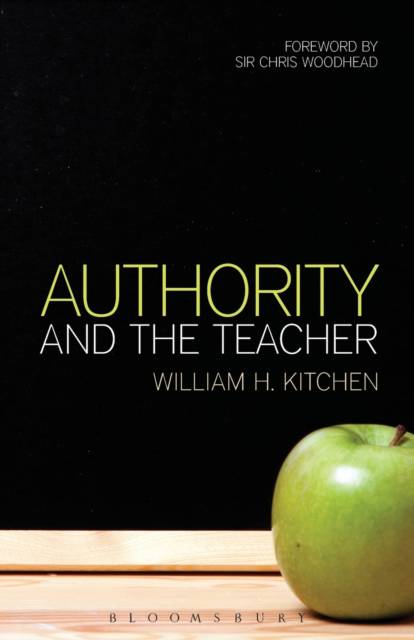
Authority and the Teacher seeks to overturn the notion that authority is a restrictive force within education, serving only to stifle creativity and drown out the voice of the student. William H. Kitchen argues that any education must have, as one of its cornerstones, a component which encourages the fullest development of knowledge, which serves as the great educational emancipator. In this version of knowledge-driven education, the teacher's authority should be absolute, so as to ensure that the teacher has the scope to liberate their pupils. The pupil, in the avoidance of ignorance, can thus embrace what is rightfully theirs; the inheritance of intellectual riches passed down through time.
By invoking the work of three major philosophers - Polanyi, Oakeshott and Wittgenstein - as well as contributions from other key thinkers on authority, this book underpins previous claims for the need for authority in education with the philosophical clout necessary to ensure these arguments permeate modern mainstream educational thinking.Specificaties
Betrokkenen
- Auteur(s):
- Uitgeverij:
Inhoud
- Aantal bladzijden:
- 224
- Taal:
- Engels
Eigenschappen
- Productcode (EAN):
- 9781472524287
- Verschijningsdatum:
- 20/11/2014
- Uitvoering:
- Paperback
- Formaat:
- Trade paperback (VS)
- Afmetingen:
- 140 mm x 213 mm
- Gewicht:
- 294 g


Alleen bij Standaard Boekhandel
+ 135 punten op je klantenkaart van Standaard Boekhandel
Cadeau

AANGERADEN


Beoordelingen
We publiceren alleen reviews die voldoen aan de voorwaarden voor reviews. Bekijk onze voorwaarden voor reviews.