



Bedankt voor het vertrouwen het afgelopen jaar! Om jou te bedanken bieden we GRATIS verzending (in België) aan op alles gedurende de hele maand januari.
- Afhalen na 1 uur in een winkel met voorraad
- In januari gratis thuislevering in België
- Ruim aanbod met 7 miljoen producten
Bedankt voor het vertrouwen het afgelopen jaar! Om jou te bedanken bieden we GRATIS verzending (in België) aan op alles gedurende de hele maand januari.
- Afhalen na 1 uur in een winkel met voorraad
- In januari gratis thuislevering in België
- Ruim aanbod met 7 miljoen producten





€ 203,95
+ 407 punten
Uitvoering
Omschrijving
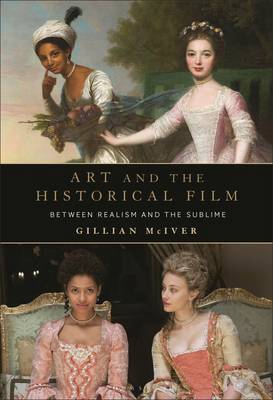
From Eugene Delacroix's interpretation of the 1830 French revolution to Uli Edel's version of the Baader-Meinhof Gang, artistic representations of historical subjects are appealing and pervasive. Movies often adapt imagery from art history, including paintings of historical events. Films and art shape the past for us and continue to affect our interpretation of history.
While historical films are often argued over for their adherence to "the facts," their real problem is realism: how can the past be convincingly depicted? Realism in the historical film genre is often nourished and given credibility by its use of painterly references. This book examines how art-historical images affect historical films by going beyond period detail and surface design to look at how profound ideas about history are communicated through pictures.
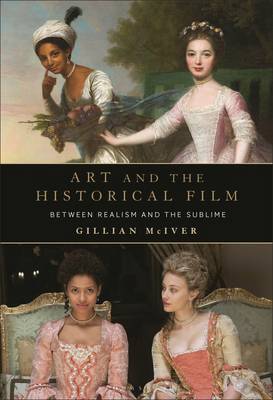
Art and the Historical Film: Between Realism and the Sublime is based on case studies that explore the links between art and cinema, including American independent Western Meek's Cutoff (Kelly Reichardt, 2010), British heritage film Belle (Amma Asante, 2013), and Dutch national epic Admiral (Roel Reiné, 2014). The chapters create immersive worlds that communicate distinct ideas about the past through cinematography, production design, and direction, as the films adapt, reference, and transpose paintings by artists such as Rubens, Albert Bierstadt, and Jacques-Louis David.
While historical films are often argued over for their adherence to "the facts," their real problem is realism: how can the past be convincingly depicted? Realism in the historical film genre is often nourished and given credibility by its use of painterly references. This book examines how art-historical images affect historical films by going beyond period detail and surface design to look at how profound ideas about history are communicated through pictures.
Art and the Historical Film: Between Realism and the Sublime is based on case studies that explore the links between art and cinema, including American independent Western Meek's Cutoff (Kelly Reichardt, 2010), British heritage film Belle (Amma Asante, 2013), and Dutch national epic Admiral (Roel Reiné, 2014). The chapters create immersive worlds that communicate distinct ideas about the past through cinematography, production design, and direction, as the films adapt, reference, and transpose paintings by artists such as Rubens, Albert Bierstadt, and Jacques-Louis David.
Specificaties
Betrokkenen
- Auteur(s):
- Uitgeverij:
Inhoud
- Aantal bladzijden:
- 280
- Taal:
- Engels
Eigenschappen
- Productcode (EAN):
- 9781501384769
- Verschijningsdatum:
- 15/12/2022
- Uitvoering:
- Hardcover
- Formaat:
- Genaaid
- Afmetingen:
- 152 mm x 229 mm
- Gewicht:
- 539 g


Alleen bij Standaard Boekhandel
+ 407 punten op je klantenkaart van Standaard Boekhandel
SOLDEN


Beoordelingen
We publiceren alleen reviews die voldoen aan de voorwaarden voor reviews. Bekijk onze voorwaarden voor reviews.