


- Afhalen na 1 uur in een winkel met voorraad
- Gratis thuislevering in België vanaf € 30
- Ruim aanbod met 7 miljoen producten
- Afhalen na 1 uur in een winkel met voorraad
- Gratis thuislevering in België vanaf € 30
- Ruim aanbod met 7 miljoen producten





€ 159,00
+ 318 punten
Eenvoudig bestellen
Veilig betalen


Gratis thuislevering vanaf € 30 (via bpost)
Gratis levering in je Standaard Boekhandel
Omschrijving
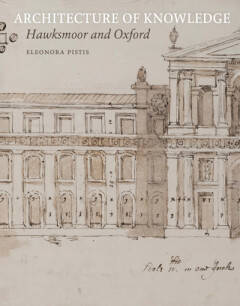
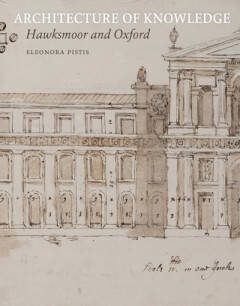
Nicholas Hawksmoor's dream of a new Oxford, though only partly realized between 1708 and 1736, remains one of the most striking examples of the architecture of knowledge from the early modern period. This was a time of enlightened experimentation on paper and in stone. Intellectuals and their chosen architect envisaged a network of streets, paths, gates and squares connecting newly designed colleges, libraries and the university press. Complementing the feverish activity of the worksites the study, collecting and dissemination of architecture was profoundly reshaped. Building, thinking and learning are entwined in this episode as never before in the history of a great university as it pivoted from medieval to modern. The graphic legacy of this ferment is illustrated with an abundance of drawings, prints and treatises, many published here for the first time.
Specificaties
Betrokkenen
- Auteur(s):
- Uitgeverij:
Inhoud
- Aantal bladzijden:
- 2024
- Taal:
- Engels
- Reeks:
Eigenschappen
- Productcode (EAN):
- 9781905375974
- Verschijningsdatum:
- 31/10/2024
- Uitvoering:
- Hardcover
- Formaat:
- Genaaid
- Afmetingen:
- 220 mm x 280 mm
- Gewicht:
- 1102 g


Alleen bij Standaard Boekhandel
+ 318 punten op je klantenkaart van Standaard Boekhandel
CADEAU

AANGERADEN


Beoordelingen
We publiceren alleen reviews die voldoen aan de voorwaarden voor reviews. Bekijk onze voorwaarden voor reviews.