


- Afhalen na 1 uur in een winkel met voorraad
- Gratis thuislevering in België vanaf € 30
- Ruim aanbod met 7 miljoen producten
- Afhalen na 1 uur in een winkel met voorraad
- Gratis thuislevering in België vanaf € 30
- Ruim aanbod met 7 miljoen producten





€ 322,45
+ 644 punten
Uitvoering
Omschrijving
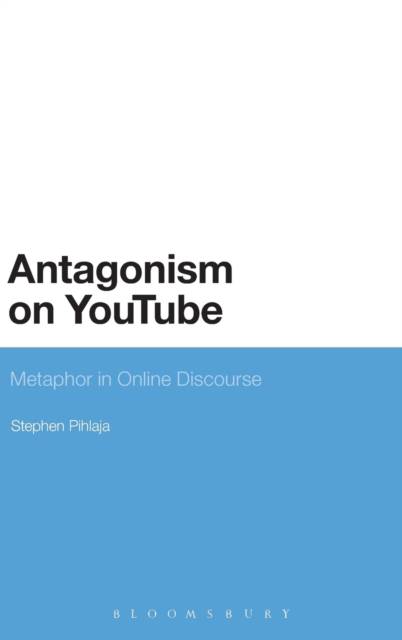
Similar to many sites on the Internet, interaction on YouTube often features confrontational, antagonistic exchanges among users. YouTube comments threads in particular are known for their offensive, conflagratory content. This books looks at this form of discourse. The term 'drama' (or 'flame wars') appears often as a label for a phenomenon that is easily recognisable. In these cases, serious disagreements can become entangled with interpersonal relationships and users take positions for themselves in relation to others and social controversies.
The focus of this book is on the ways in which metaphor contributes to the development of Internet drama, particularly on YouTube. Although a growing body of research into YouTube social interaction continues to develop descriptions of user experience on YouTube, empirical studies of the YouTube video page are rare, as well as close discourse analysis of user interaction on the site. This research specifically focuses on the interaction of a group of users discussing issues of Christian theology and atheism on the site, analysing how discourse facilitates to antagonistic interaction among users.
Since YouTube drama occurs publicly, the book focuses on actual YouTube video pages rather than user reports of their actions and responses. It investigates how and why YouTube drama develops through a systematic description and analysis of user discourse activity. Through close analysis of video pages, this study contributes to a greater academic understanding of Internet antagonism and YouTube interaction by revealing the factors which contribute to the development of drama over time.
The focus of this book is on the ways in which metaphor contributes to the development of Internet drama, particularly on YouTube. Although a growing body of research into YouTube social interaction continues to develop descriptions of user experience on YouTube, empirical studies of the YouTube video page are rare, as well as close discourse analysis of user interaction on the site. This research specifically focuses on the interaction of a group of users discussing issues of Christian theology and atheism on the site, analysing how discourse facilitates to antagonistic interaction among users.
Since YouTube drama occurs publicly, the book focuses on actual YouTube video pages rather than user reports of their actions and responses. It investigates how and why YouTube drama develops through a systematic description and analysis of user discourse activity. Through close analysis of video pages, this study contributes to a greater academic understanding of Internet antagonism and YouTube interaction by revealing the factors which contribute to the development of drama over time.
Specificaties
Betrokkenen
- Auteur(s):
- Uitgeverij:
Inhoud
- Aantal bladzijden:
- 192
- Taal:
- Engels
Eigenschappen
- Productcode (EAN):
- 9781472566676
- Verschijningsdatum:
- 2/09/2014
- Uitvoering:
- Hardcover
- Formaat:
- Genaaid
- Afmetingen:
- 156 mm x 234 mm
- Gewicht:
- 449 g


Alleen bij Standaard Boekhandel
+ 644 punten op je klantenkaart van Standaard Boekhandel
Cadeau

AANGERADEN


Beoordelingen
We publiceren alleen reviews die voldoen aan de voorwaarden voor reviews. Bekijk onze voorwaarden voor reviews.