


- Afhalen na 1 uur in een winkel met voorraad
- Gratis thuislevering in België vanaf € 30
- Ruim aanbod met 7 miljoen producten
- Afhalen na 1 uur in een winkel met voorraad
- Gratis thuislevering in België vanaf € 30
- Ruim aanbod met 7 miljoen producten





€ 116,60
+ 233 punten
Eenvoudig bestellen
Veilig betalen


Gratis thuislevering vanaf € 30 (via bpost)
Gratis levering in je Standaard Boekhandel
Omschrijving
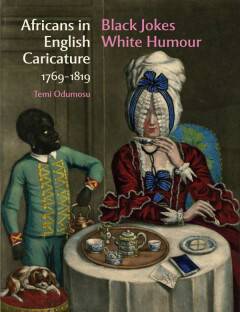
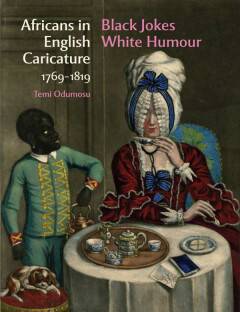
Between 1769 and 1819 London experienced an unprecedented growth in the proliferation of texts and images in the popular sphere, engaging learned citizens in discussion and commentary on the most pressing social and political issues of the day. From the repeal of the Stamp Act to the French revolution, the local Westminster election or the abolition of the slave trade, these prints, political pamphlets, plays, novels and periodicals collaborated (sometimes intentionally) in critique, praise and assessment of the country's changing socio-economic climate. African people were a critical aspect of this world of images, and their presence conveyed much about the implications of travel, colonialism and slavery on the collective psyche. Whether encountered on the streets of the city, in opulent stately homes, or in tracts describing the horrors of the slave trade, the British paid attention to Africans (consciously or not), and developed a means of expressing the impact of these encounters through images. Scholarship has begun to interrogate the presence of Africans in British art of this period, but very little has been written about their place in visual and literary humour created in a metropolitan context. This book fills this scholarly lacuna, exploring how and why satirical artists both mocked and utilized these characters as subversive comic weaponry.
Specificaties
Betrokkenen
- Auteur(s):
- Uitgeverij:
Inhoud
- Aantal bladzijden:
- 223
- Taal:
- Engels
- Reeks:
Eigenschappen
- Productcode (EAN):
- 9781909400504
- Verschijningsdatum:
- 15/10/2017
- Uitvoering:
- Hardcover
- Formaat:
- Genaaid
- Afmetingen:
- 226 mm x 284 mm
- Gewicht:
- 1338 g


Alleen bij Standaard Boekhandel
+ 233 punten op je klantenkaart van Standaard Boekhandel
CADEAU

AANGERADEN


Beoordelingen
We publiceren alleen reviews die voldoen aan de voorwaarden voor reviews. Bekijk onze voorwaarden voor reviews.