


- Afhalen na 1 uur in een winkel met voorraad
- Gratis thuislevering in België vanaf € 30
- Ruim aanbod met 7 miljoen producten
- Afhalen na 1 uur in een winkel met voorraad
- Gratis thuislevering in België vanaf € 30
- Ruim aanbod met 7 miljoen producten





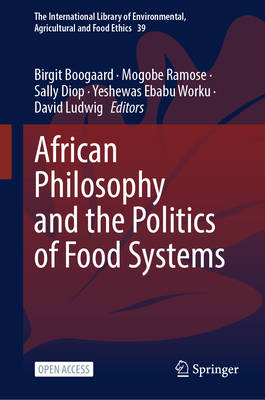
African Philosophy and the Politics of Food Systems
€ 54,45
+ 108 punten
Eenvoudig bestellen
Veilig betalen


Gratis thuislevering vanaf € 30 (via bpost)
Gratis levering in je Standaard Boekhandel
Omschrijving
This open access edited volume argues that food systems need to be questioned on ethical and epistemic grounds, and firmly posits African philosophy as a valuable and much-needed source in doing so. It presents critical perspectives on the ethical and epistemic complexities of food systems whilst also providing a practical outlook through success stories of food systems underpinned by African ways of thinking and doing. The central premise is the necessity of taking an intercultural approach in examining and re-thinking food systems successfully, which means to draw from and do justice to a diversity of knowledge. As such, it sets out to challenge the status quo and the prevailing western dominant narrative whilst asserting its importance alongside other forms of knowledge in tackling issues in the food system. The book introduces the reader into the politics of food systems, while highlighting the relevance of African philosophy through illuminating the relationship between ongoing western hegemony and the violation of the universal human right to food. Case studies across the continent are presented to unearth and critique inequalities and injustices in various domains of Africa's agricultural sector, ranging from seed systems to markets. However, first and foremost, the book presents African philosophy as an essential source for bringing back balance and justice in food systems that can feed all. To this end, the book starts from African philosophy, such as ubu-ntu, Akan and Shona Philiosophy, and illustrates ethical and epistemic inquiries with real-life examples in practice. This is a must-read for both academics and advanced (masters-level) students interested in African perspectives on food systems.
Specificaties
Betrokkenen
- Uitgeverij:
Inhoud
- Aantal bladzijden:
- 293
- Taal:
- Engels
- Reeks:
- Reeksnummer:
- nr. 39
Eigenschappen
- Productcode (EAN):
- 9783032035189
- Verschijningsdatum:
- 27/02/2026
- Uitvoering:
- Hardcover
- Formaat:
- Genaaid
- Afmetingen:
- 164 mm x 238 mm
- Gewicht:
- 594 g

Alleen bij Standaard Boekhandel
+ 108 punten op je klantenkaart van Standaard Boekhandel
CADEAU

AANGERADEN


Beoordelingen
We publiceren alleen reviews die voldoen aan de voorwaarden voor reviews. Bekijk onze voorwaarden voor reviews.