


- Afhalen na 1 uur in een winkel met voorraad
- Gratis thuislevering in België vanaf € 30
- Ruim aanbod met 7 miljoen producten
- Afhalen na 1 uur in een winkel met voorraad
- Gratis thuislevering in België vanaf € 30
- Ruim aanbod met 7 miljoen producten





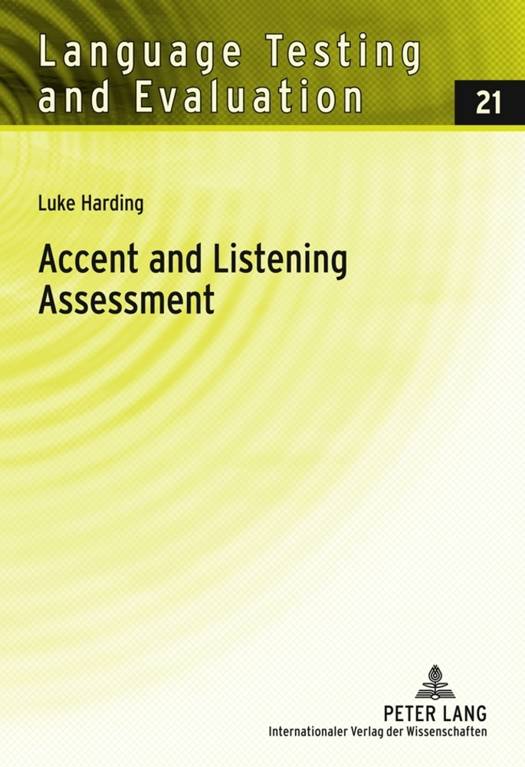
Accent and Listening Assessment; A Validation Study of the Use of Speakers with L2 Accents on an Academic English Listening Test
A Validation Study of the Use of Speakers with L2 Accents on an Academic English Listening Test
Luke Harding
€ 79,45
+ 158 punten
Omschrijving
Given the linguistically diverse nature of academic institutions in English-speaking contexts, a strong rationale exists for the incorporation of L2 accents of English in academic listening assessment on the grounds of authenticity and construct representation. However large-scale tests have tended to feature only native-speaker varieties in listening test input owing to concerns about the intelligibility of L2 accents, construct validity and acceptability. This book presents a mixed-methods study designed to address these concerns. Versions of the University Test of English as a Second Language (UTESL) featuring Australian English, Japanese and Mandarin Chinese accented speakers were used to explore the potential for a shared-L1 or familiarity advantage, and to investigate test-takers' attitudes towards L2 accents on a listening test. Implications are drawn for test development and for future research.
Specificaties
Betrokkenen
- Auteur(s):
- Uitgeverij:
Inhoud
- Aantal bladzijden:
- 294
- Taal:
- Engels
- Reeks:
- Reeksnummer:
- nr. 21
Eigenschappen
- Productcode (EAN):
- 9783631609392
- Verschijningsdatum:
- 29/04/2011
- Uitvoering:
- Hardcover
- Formaat:
- Ongenaaid / garenloos gebonden
- Afmetingen:
- 148 mm x 210 mm
- Gewicht:
- 503 g


Alleen bij Standaard Boekhandel
+ 158 punten op je klantenkaart van Standaard Boekhandel
Cadeau

AANGERADEN


Beoordelingen
We publiceren alleen reviews die voldoen aan de voorwaarden voor reviews. Bekijk onze voorwaarden voor reviews.