


- Afhalen na 1 uur in een winkel met voorraad
- Gratis thuislevering in België vanaf € 30
- Ruim aanbod met 7 miljoen producten
- Afhalen na 1 uur in een winkel met voorraad
- Gratis thuislevering in België vanaf € 30
- Ruim aanbod met 7 miljoen producten





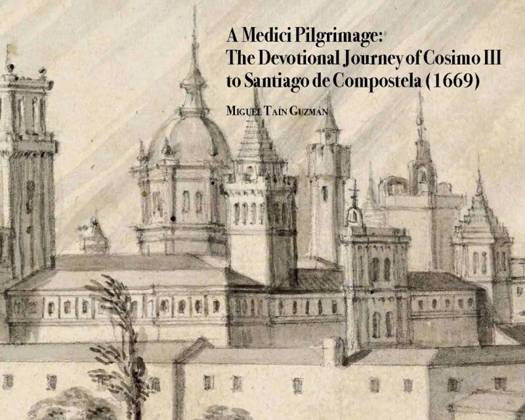
A Medici Pilgrimage
The Devotional Journey of Cosimo III to Santiago de Compostela (1669)
Miguel Tain Guzman
€ 116,60
+ 233 punten
Eenvoudig bestellen
Veilig betalen


Gratis thuislevering vanaf € 30 (via bpost)
Gratis levering in je Standaard Boekhandel
Omschrijving
The Grand Tour of Cosimo di Ferdinando de' Medici, prince of Tuscany, between 1668 and 1669, included many of the great states of Europe - Spain, Portugal, England, Holland and France - in a carefully prepared itinerary chosen to help educate and prepare the 26-year old prince to one day become Grand Duke of Tuscany. All the places chosen to visit were selected to impart cultural, economic, or political advantage to the prince, and none more so than his longest visit: Spain. Lasting more than five months, he visited the cities of Barcelona, Martorell, Montserrat, Igualada, Lleida, Zaragoza, Daroca, Guadelajara, Alcala de Henares, Madrid, Toledo, Mora, Consuegra, Villanueva de los Infantes, Andujar, El Carpio, Cordoba, Castro del Rio, Granada, Ecija, Carmona, Sevilla, Zafra, Badajoz, and briefly, Lisbon. In March 1669, he reached Santiago de Compostela, arguably the highlight of the trip, where he made a pilgrimage to the tomb of St. James the Apostle in the city's cathedral. The travel diaries of five members of his retinue describe the visit in great detail, providing a rare account of the city and the pilgrim's rites and rituals. Another member of the prince's entourage, the Florentine artist, Pier Maria Baldi, painted a large-scale panorama of Compostela, the most valuable cityscape from the 1600s known to date. Using hitherto unknown source material, this volume charts a journey to one of the most important pilgrimage sites in the world, then held as an equal to Rome and Jerusalem, that stimulated the piety of the man who would become Cosimo III de' Medici, Grand Duke of Tuscany.
Specificaties
Betrokkenen
- Auteur(s):
- Uitgeverij:
Inhoud
- Aantal bladzijden:
- 156
- Taal:
- Engels
- Reeks:
- Reeksnummer:
- nr. 5
Eigenschappen
- Productcode (EAN):
- 9781909400931
- Verschijningsdatum:
- 10/01/2019
- Uitvoering:
- Hardcover
- Formaat:
- Genaaid
- Afmetingen:
- 246 mm x 305 mm
- Gewicht:
- 1338 g


Alleen bij Standaard Boekhandel
+ 233 punten op je klantenkaart van Standaard Boekhandel
CADEAU

AANGERADEN


Beoordelingen
We publiceren alleen reviews die voldoen aan de voorwaarden voor reviews. Bekijk onze voorwaarden voor reviews.