


- Afhalen na 1 uur in een winkel met voorraad
- Gratis thuislevering in België vanaf € 30
- Ruim aanbod met 7 miljoen producten
- Afhalen na 1 uur in een winkel met voorraad
- Gratis thuislevering in België vanaf € 30
- Ruim aanbod met 7 miljoen producten





Reeksen: boeken uit de reeks The I Tatti Renaissance Library

-
Selected Letters, Volume 1
Francesco Petrarca
- Hardcover | Engels | The I Tatti Renaissance Library
- Francesco Petrarca (1304–1374), one of the greatest of Italian poets, was also the leading spirit in the Renaissance movement to revive the cultural a... Lees meer
€ 26,45€ 26,45 -
Rome in Triumph, Volume 1
Biondo Flavio
- Hardcover | Engels | The I Tatti Renaissance Library
- Biondo Flavio was a pioneering figure in the Renaissance discovery of antiquity and popularized the term Middle Age to describe the period between the... Lees meer
€ 39,95€ 39,95 -
Platonic Theology
Marsilio Ficino
- Hardcover | Engels | The I Tatti Renaissance Library
- Platonic Theology is the visionary and philosophical masterpiece of Marsilio Ficino (1433–1499), the Florentine scholar-philosopher-magus largely resp... Lees meer
€ 60,95€ 60,95 -
Letters to Friends
Bartolomeo Fonzio
- Hardcover | Engels | The I Tatti Renaissance Library
- The letters of Bartolomeo Fonzio—a leading literary figure in Florence of the time of Lorenzo de’ Medici and Machiavelli—are a window into the world o... Lees meer
€ 45,95€ 45,95 -
Invectives
Francesco Petrarca
- Hardcover | Engels | The I Tatti Renaissance Library
- Francesco Petrarca (1304–1374), one of the greatest Italian poets, was also a leader in the Renaissance movement to revive ancient Roman language and ... Lees meer
€ 45,95€ 45,95 -
Ciceronian Controversies
- Hardcover | Engels | The I Tatti Renaissance Library
- The main literary dispute of the Renaissance pitted those Neo-Latin writers favoring Cicero alone as the apotheosis of Latin prose against those follo... Lees meer
€ 45,95€ 45,95 -
Commentaries on Plato
Marsilio Ficino
- Hardcover | Engels | The I Tatti Renaissance Library
- Marsilio Ficino (1433–1499), the Florentine scholar-philosopher-magus, was largely responsible for the Renaissance revival of Plato. This volume conta... Lees meer
€ 45,95€ 45,95 -
Lives of the Popes
Bartolomeo Platina
- Hardcover | Engels | The I Tatti Renaissance Library
- Imprisoned for conspiring against Pope Paul II, Platina (1421–1481) returned to favor under Pope Sixtus IV, and composed this biographical compendium ... Lees meer
€ 45,95€ 45,95 -
Sacred Painting. Museum
Federico Borromeo
- Hardcover | Engels | The I Tatti Renaissance Library
- Federico Borromeo founded the Ambrosiana library, art collection, and academy in Milan. Sacred Painting laid out the rules that artists should follow ... Lees meer
€ 26,45€ 26,45 -
Baiae
Giovanni Gioviano Pontano
- Hardcover | Engels | The I Tatti Renaissance Library
- Pontano was the most innovative, versatile Latin poet of Quattrocento Italy. His Two Books of Hendecasyllables, subtitled Baiae, are the elegant offsp... Lees meer
€ 26,45€ 26,45 -
Dialectical Disputations
Lorenzo Valla
- Hardcover | Engels | The I Tatti Renaissance Library
- The Dialectical Disputations, translated here for the first time into any modern language, is Lorenzo Valla’s principal contribution to the philosophy... Lees meer
€ 28,99€ 28,99 -
The Hermaphrodite
Antonio Beccadelli
- Hardcover | Engels | The I Tatti Renaissance Library
- The Hermaphrodite’s open celebration of vice, particularly sodomy, earned it public burnings, threats of excommunication, banishment to the closed sec... Lees meer
€ 33,95€ 33,95 -
My Secret Book
Francesco Petrarca
- Hardcover | Engels | The I Tatti Renaissance Library
- Petrarch was the leading spirit in the Renaissance movement to revive literary Latin, the language of the Roman Empire, and Greco-Roman culture in gen... Lees meer
€ 31,95€ 31,95 -
Writings on Church and Reform
Nicholas of Cusa
- Hardcover | Engels | The I Tatti Renaissance Library
- Nicholas of Cusa (1401–1464), a student of canon law who became a Catholic cardinal, was widely considered the most important original philosopher of ... Lees meer
€ 45,95€ 45,95 -
Platonic Theology
Marsilio Ficino
- Hardcover | Engels | The I Tatti Renaissance Library
- Platonic Theology is the visionary and philosophical masterpiece of Marsilio Ficino (1433–1499), the Florentine scholar-philosopher-magus largely resp... Lees meer
€ 40,95€ 40,95 -
Commentaries
Pius II
- Hardcover | Engels | The I Tatti Renaissance Library
- Commentaries by Pius II (1405–1464)—the only autobiography ever written by a pope—was composed in elegant humanistic Latin modeled on Caesar and Cicer... Lees meer
€ 45,95€ 45,95 -
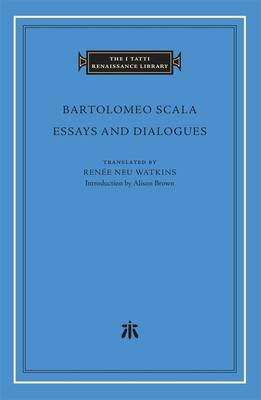
Essays and Dialogues
Bartolomeo Scala
- Hardcover | Engels | The I Tatti Renaissance Library
- Scala (1430–1497) trained in the law and rose to prominence serving as secretary and treasurer to the Medicis and chancellor of the Guelf party before... Lees meer
€ 28,99€ 28,99 -
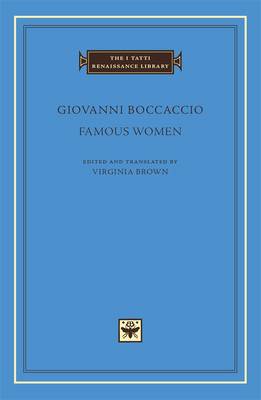
Famous Women
Giovanni Boccaccio
- Hardcover | Engels | The I Tatti Renaissance Library
- Giovanni Boccaccio (1313–1375) devoted his last decades to compiling encyclopedic works in Latin. Among them is Famous Women, the first collection of ... Lees meer
€ 36,45€ 36,45 -
Platonic Theology
Marsilio Ficino
- Hardcover | Engels | The I Tatti Renaissance Library
- Platonic Theology is the visionary and philosophical masterpiece of Marsilio Ficino (1433–1499), the Florentine scholar-philosopher-magus largely resp... Lees meer
€ 45,95€ 45,95 -
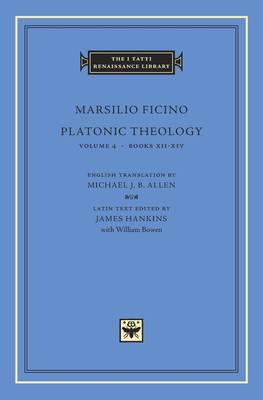
Platonic Theology
Marsilio Ficino
- Hardcover | Engels | The I Tatti Renaissance Library
- Platonic Theology is the visionary and philosophical masterpiece of Marsilio Ficino (1433–1499), the Florentine scholar-philosopher-magus largely resp... Lees meer
€ 60,95€ 60,95 -
History of Venice
Pietro Bembo
- Hardcover | Engels | The I Tatti Renaissance Library
- Bembo (1470–1547), a Venetian nobleman, later a cardinal of the Roman Catholic Church, was the most celebrated Latin stylist of his day and was widely... Lees meer
€ 45,95€ 45,95 -
Later Travels
Cyriac of Ancona
- Hardcover | Engels | The I Tatti Renaissance Library
- Cyriac of Ancona is sometimes regarded as the father of classical archaeology. Cyriac’s accounts of his travels, with commentary reflecting wide-rangi... Lees meer
€ 28,99€ 28,99 -
Genealogy of the Pagan Gods
Giovanni Boccaccio
- Hardcover | Engels | The I Tatti Renaissance Library
- The goal of Boccaccio’s Genealogy of the Pagan Gods is to plunder ancient and medieval literary sources to create a massive synthesis of Greek and Rom... Lees meer
€ 26,45€ 26,45 -
History of the Florentine People
Leonardo Bruni
- Hardcover | Engels | The I Tatti Renaissance Library
- Bruni's History of the Florentine People in twelve books is generally considered the first modern work of history, and was widely imitated by humanist... Lees meer
€ 36,45€ 36,45