


- Afhalen na 1 uur in een winkel met voorraad
- Gratis thuislevering in België vanaf € 30
- Ruim aanbod met 7 miljoen producten
- Afhalen na 1 uur in een winkel met voorraad
- Gratis thuislevering in België vanaf € 30
- Ruim aanbod met 7 miljoen producten





Reeksen: boeken uit de reeks Museums and Collections

-

Too Jewish or Not Jewish Enough
Jeffrey Abt
- Hardcover | Engels | Museums and Collections | nr. 17
- Displays of Jewish ritual objects in public, non-Jewish settings by Jews are a comparatively re-cent phenomenon. So too is the establishment of Jewish... Lees meer
€ 217,95€ 217,95 -

The Long Way Home
- Paperback | Engels | Museums and Collections | nr. 2
- Indigenous peoples have long sought the return of ancestral human remains and associated artifacts from western museums and scientific institutions. S... Lees meer
€ 39,45€ 39,45 -

The Museum of Mankind
Ben Burt
- Hardcover | Engels | Museums and Collections | nr. 12
- The Museum of Mankind was an innovative and popular showcase for minority cultures from around the non-Western world from 1970 to 1997. This memoir is... Lees meer
€ 124,45€ 124,45 -

Museum Times
Leslie Witz
- Hardcover | Engels | Museums and Collections | nr. 16
- Museums flourished in post-apartheid South Africa. In older museums, there were renovations on the go, and at least fifty new museums opened. Most sou... Lees meer
€ 217,95€ 217,95 -
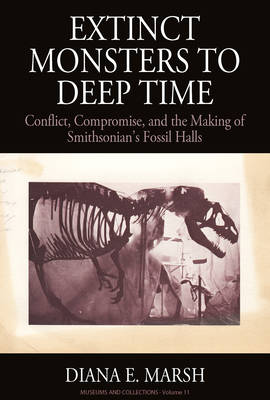
Extinct Monsters to Deep Time
Diana E Marsh
- Paperback | Engels | Museums and Collections | nr. 11
- Via the Smithsonian Institution, an exploration of the growing friction between the research and outreach functions of museums in the 21st century. De... Lees meer
€ 40,45€ 40,45 -

Colonial Collecting and Display
Claire Wintle
- Hardcover | Engels | Museums and Collections | nr. 4
- In the late-nineteenth century, British travelers to the Andaman and Nicobar Islands compiled wide-ranging collections of material culture for scienti... Lees meer
€ 217,95€ 217,95 -
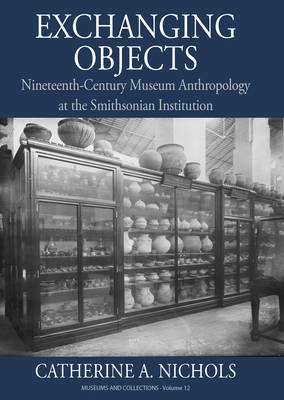
Exchanging Objects
Catherine A Nichols
- Paperback | Engels | Museums and Collections | nr. 12
- As an historical account of the exchange of "duplicate specimens" between anthropologists at the Smithsonian Institution and museums, collectors, and ... Lees meer
€ 56,45€ 56,45 -

The Enemy on Display
Zuzanna Bogumil, Joanna Wawrzyniak, Tim Buchen, Christian Ganzer
- Hardcover | Engels | Museums and Collections | nr. 7
- Eastern European museums represent traumatic events of World War II, such as the Siege of Leningrad, the Warsaw Uprisings, and the Bombardment of Dres... Lees meer
€ 217,95€ 217,95 -
Museum Websites and Social Media
Ana Sánchez Laws
- Paperback | Engels | Museums and Collections | nr. 8
- Online activities present a unique challenge for museums as they harness the potential of digital technology for sustainable development, trust buildi... Lees meer
€ 56,45€ 56,45 -
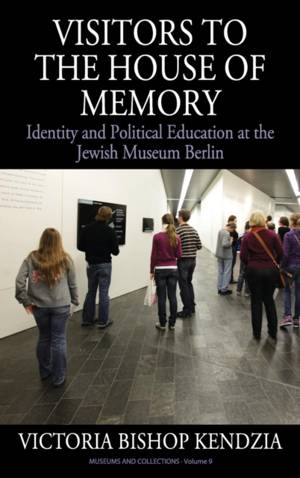
Visitors to the House of Memory
Victoria Bishop Kendzia
- Hardcover | Engels | Museums and Collections | nr. 9
- As one of the most visited museums in Germany's capital city, the Jewish Museum Berlin is a key site for understanding not only German-Jewish history,... Lees meer
€ 217,95€ 217,95 -
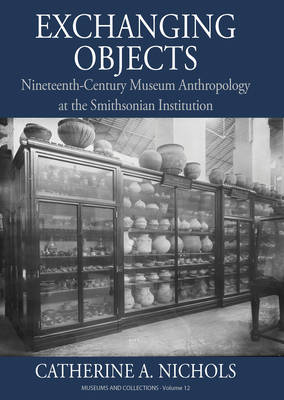
Exchanging Objects
Catherine A Nichols
- Hardcover | Engels | Museums and Collections | nr. 12
- As an historical account of the exchange of "duplicate specimens" between anthropologists at the Smithsonian Institution and museums, collectors, and ... Lees meer
€ 217,95€ 217,95 -

Contested Holdings
- Hardcover | Engels | Museums and Collections | nr. 14
- Going beyond strictly legal and property-oriented aspects of the restitution debate, restitution is considered as part of a larger set of processes of... Lees meer
€ 217,95€ 217,95 -
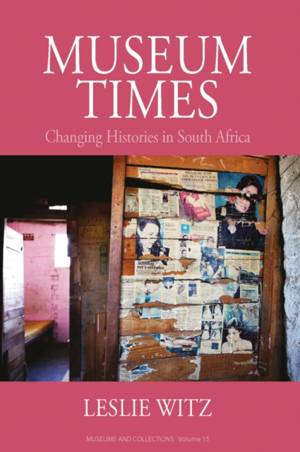
Museum Times
Leslie Witz
- Paperback | Engels | Museums and Collections | nr. 16
- Museums flourished in post-apartheid South Africa. In older museums, there were renovations on the go, and at least fifty new museums opened. Most sou... Lees meer
€ 56,45€ 56,45 -
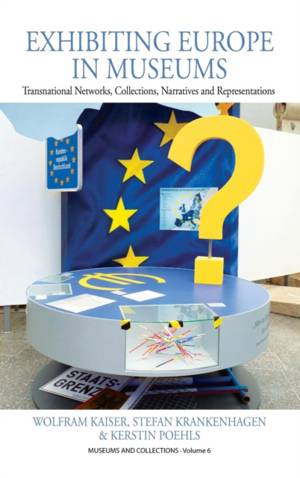
Exhibiting Europe in Museums
Wolfram Kaiser, Stefan Krankenhagen, Kerstin Poehls
- Hardcover | Engels | Museums and Collections | nr. 6
- Museums of history and contemporary culture face many challenges in the modern age. One is how to react to processes of Europeanization and globalizat... Lees meer
€ 118,95€ 118,95 -

Borders of Belonging
Mads Daugbjerg
- Hardcover | Engels | Museums and Collections | nr. 5
- In an era cross-cut with various agendas and expressions of national belonging and global awareness, "the nation" as a collective reference point and ... Lees meer
€ 217,95€ 217,95 -
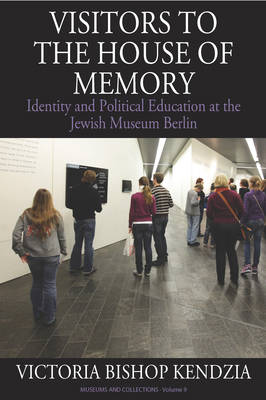
Visitors to the House of Memory
Victoria Bishop Kendzia
- Paperback | Engels | Museums and Collections | nr. 9
- As one of the most visited museums in Germany's capital city, the Jewish Museum Berlin is a key site for understanding not only German-Jewish history,... Lees meer
€ 48,45€ 48,45 -
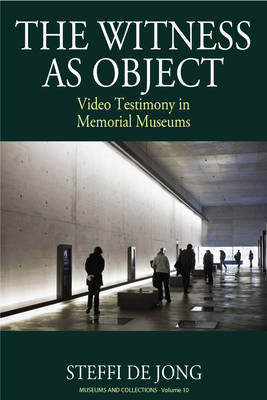
The Witness as Object
Steffi de Jong
- Hardcover | Engels | Museums and Collections | nr. 10
- In recent years, historical witnessing has emerged as a category of "museum object." Audiovisual recordings of interviews with individuals remembering... Lees meer
€ 149,95€ 149,95 -
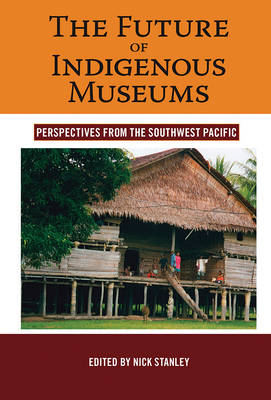
The Future of Indigenous Museums
- Hardcover | Engels | Museums and Collections | nr. 1
- Indigenous museums and cultural centres have sprung up across the developing world, and particularly in the Southwest Pacific. They derive from a numb... Lees meer
€ 217,95€ 217,95 -

The Witness as Object
Steffi de Jong
- Paperback | Engels | Museums and Collections | nr. 10
- In recent years, historical witnessing has emerged as a category of "museum object." Audiovisual recordings of interviews with individuals remembering... Lees meer
€ 32,45€ 32,45 -

Museum, Place, Architecture and Narrative
Annika Bünz
- Hardcover | Engels | Museums and Collections | nr. 15
- A characteristic trait of the maritime museums is that they are often located in a contemporary and/or historical environment from which the collectio... Lees meer
€ 217,95€ 217,95 -

The Enemy on Display
Zuzanna Bogumil, Joanna Wawrzyniak, Tim Buchen, Christian Ganzer
- Paperback | Engels | Museums and Collections | nr. 7
- Eastern European museums represent traumatic events of World War II, such as the Siege of Leningrad, the Warsaw Uprisings, and the Bombardment of Dres... Lees meer
€ 26,95€ 26,95 -
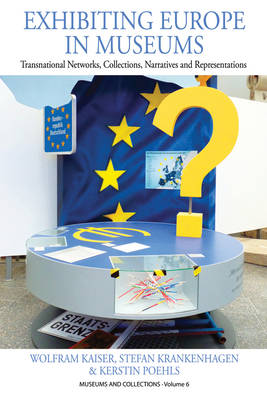
Exhibiting Europe in Museums
Wolfram Kaiser, Stefan Krankenhagen, Kerstin Poehls
- Paperback | Engels | Museums and Collections | nr. 6
- Museums of history and contemporary culture face many challenges in the modern age. One is how to react to processes of Europeanization and globalizat... Lees meer
€ 39,45€ 39,45 -

Extinct Monsters to Deep Time
Diana E Marsh
- Hardcover | Engels | Museums and Collections | nr. 11
- Via the Smithsonian Institution, an exploration of the growing friction between the research and outreach functions of museums in the 21st century. De... Lees meer
€ 128,95€ 128,95 -
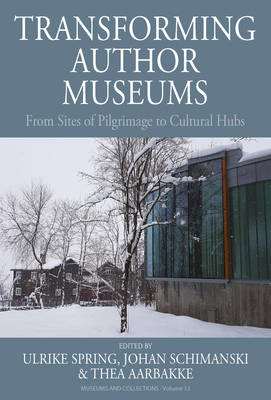
Transforming Author Museums
- Hardcover | Engels | Museums and Collections | nr. 13
- Literary museums today must respond to new challenges; the traditional image of the author's home museum as a sacred place of literary pilgrimage cent... Lees meer
€ 217,95€ 217,95