


- Afhalen na 1 uur in een winkel met voorraad
- Gratis thuislevering in België vanaf € 30
- Ruim aanbod met 7 miljoen producten
- Afhalen na 1 uur in een winkel met voorraad
- Gratis thuislevering in België vanaf € 30
- Ruim aanbod met 7 miljoen producten





€ 67,45
+ 134 punten
Omschrijving
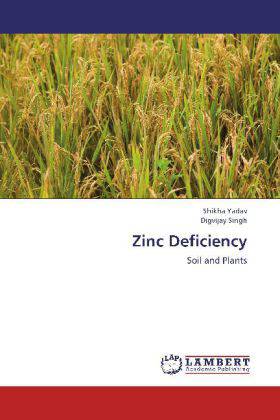
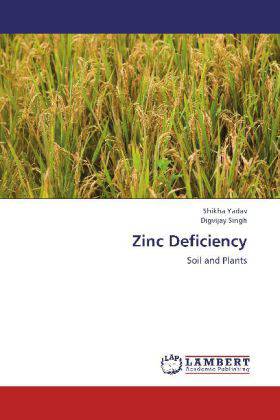
The importance of zinc for plant growth and reproduction has been recognised some 150 years ago. Since then importance of Zn has been worked out in different plant species including crop plants. The deficiency of Zn affects not only the crop species but is currently listed as one of the major risk factors responsible for the different health complications in human beings such as impairment of physical growth, immune system and learning ability combined with increased risk of infections, DNA damage and cancer development. Zn deficiency is the most widespread nutrient disorder in world soils and economically important on global scale. During recent years increasing Zn density in cereal grains through agricultural practices or agronomic biofortification has gained importance due to the widespread Zn deficiency problems occurring in human beings. Efforts are being made on large scale to reduce the antinutritional factors such as phytin in seeds which inhibits the absorption of Zn and Fe in intestine in order to reduce the risk of anaemia in people consuming the low quality cereal grains grown in Zn deficient areas.
Specificaties
Betrokkenen
- Auteur(s):
- Uitgeverij:
Inhoud
- Aantal bladzijden:
- 184
- Taal:
- Engels
Eigenschappen
- Productcode (EAN):
- 9783659291098
- Verschijningsdatum:
- 31/10/2012
- Uitvoering:
- Paperback
- Afmetingen:
- 150 mm x 220 mm
- Gewicht:
- 277 g


Alleen bij Standaard Boekhandel
+ 134 punten op je klantenkaart van Standaard Boekhandel
Cadeau

AANGERADEN


Beoordelingen
We publiceren alleen reviews die voldoen aan de voorwaarden voor reviews. Bekijk onze voorwaarden voor reviews.