


- Afhalen na 1 uur in een winkel met voorraad
- Gratis thuislevering in België vanaf € 30
- Ruim aanbod met 7 miljoen producten
- Afhalen na 1 uur in een winkel met voorraad
- Gratis thuislevering in België vanaf € 30
- Ruim aanbod met 7 miljoen producten





€ 79,45
+ 158 punten
Uitvoering
Omschrijving
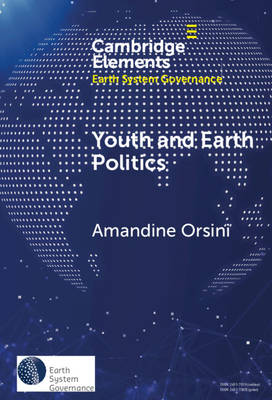
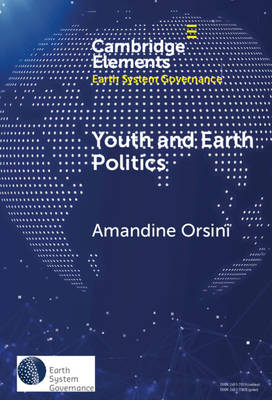
Youth, defined as individuals between 16 and 35 in global politics, have a key role to play in Earth politics: they are a numerical majority among the world population; they are situated in countries that are more vulnerable to environmental changes; they will be implementing the environmental agenda. Despite their key importance, youth have been associated with a number of misconceptions about their political role in international environmental negotiations. This Element identifies and explains five misconceptions one by one, to go beyond and suggest new ways to engage with youth for greater sustainability. The research presented builds on more than 200 interviews and observations conducted with youth at international climate, biodiversity and sustainable development negotiations. While youth are perceived as politically apathetic, inexperienced, forthcoming, elitist or narcissistic, understanding their very identities enables to suggest synergies for stronger, knowledge-relevant, actual, inclusive and intersectional political action.
Specificaties
Betrokkenen
- Auteur(s):
- Uitgeverij:
Inhoud
- Aantal bladzijden:
- 75
- Taal:
- Engels
- Reeks:
Eigenschappen
- Productcode (EAN):
- 9781009679510
- Verschijningsdatum:
- 31/07/2026
- Uitvoering:
- Hardcover
- Formaat:
- Genaaid


Alleen bij Standaard Boekhandel
+ 158 punten op je klantenkaart van Standaard Boekhandel
Cadeau

AANGERADEN


Beoordelingen
We publiceren alleen reviews die voldoen aan de voorwaarden voor reviews. Bekijk onze voorwaarden voor reviews.