


- Afhalen na 1 uur in een winkel met voorraad
- Gratis thuislevering in België vanaf € 30
- Ruim aanbod met 7 miljoen producten
- Afhalen na 1 uur in een winkel met voorraad
- Gratis thuislevering in België vanaf € 30
- Ruim aanbod met 7 miljoen producten





Omschrijving
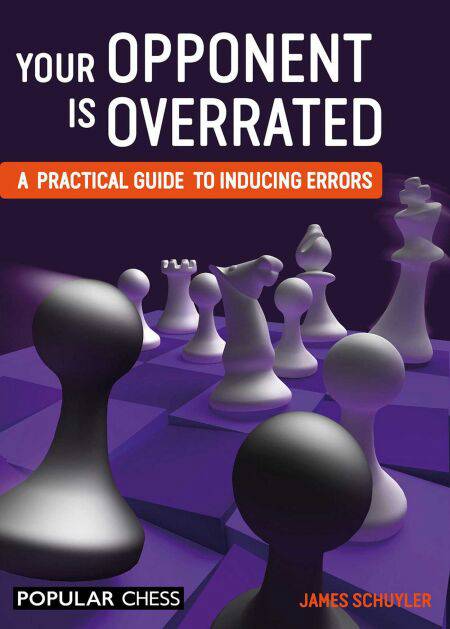
Which opening does better in practice: the wild, “unsound” and “refuted” Latvian Gambit (1 e4 e5 2 Nf3 f5) or the solid Philidor Defence (1 e4 e5 2 Nf3 d6)? As James Schuyler points out, referring to the definitive Megabase, the Latvian Gambit scores higher. How can such a discredited opening (and the same story is repeated with other “unsound” openings) do so well? The point is that playing like this throws the opponent off balance, makes them anxious and induces mistakes. Even the very best players recognize the value of discomforting the opponent. Historically, Emanuel Lasker was the master of this approach and his modern day equivalent is world champion Magnus Carlsen. Carlsen frequently employs offbeat openings and his opponents invariably fail to counter them correctly. This is the key theme of this book. Schuyler covers all phases of the game and discusses other vital subjects such as harassment, material imbalance, time management, surprise moves, unusual ideas, provocative play, manoeuvres and recovering from bad positions. • Includes methods to improve practical play• Develops a win-oriented attitude• Examines ways to induce mistakes
Specificaties
Betrokkenen
- Auteur(s):
- Uitgeverij:
Inhoud
- Aantal bladzijden:
- 224
- Taal:
- Engels
Eigenschappen
- Productcode (EAN):
- 9781781943533
- Verschijningsdatum:
- 31/10/2016
- Uitvoering:
- E-book
- Beveiligd met:
- Adobe DRM
- Formaat:
- ePub



Alleen bij Standaard Boekhandel
+ 21 punten op je klantenkaart van Standaard Boekhandel
Cadeau

AANGERADEN


Beoordelingen
We publiceren alleen reviews die voldoen aan de voorwaarden voor reviews. Bekijk onze voorwaarden voor reviews.