


- Afhalen na 1 uur in een winkel met voorraad
- Gratis thuislevering in België vanaf € 30
- Ruim aanbod met 7 miljoen producten
- Afhalen na 1 uur in een winkel met voorraad
- Gratis thuislevering in België vanaf € 30
- Ruim aanbod met 7 miljoen producten



€ 52,95
+ 105 punten
Omschrijving
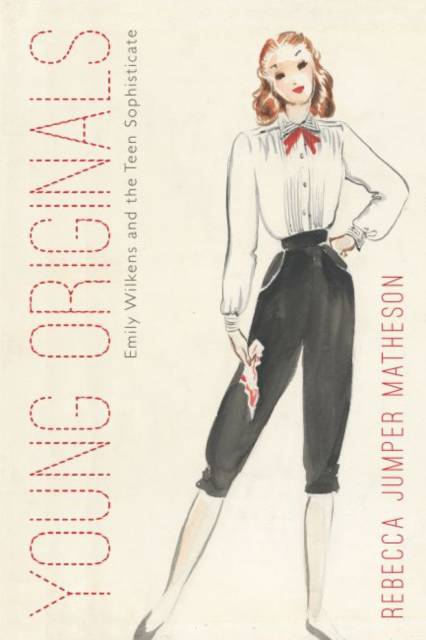
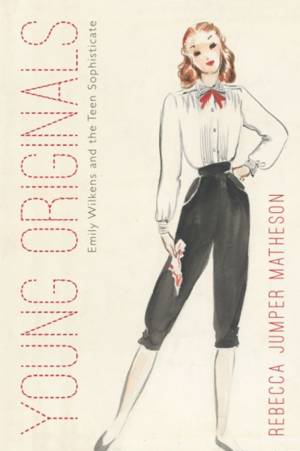
In the early 1940s, American designer Emily Wilkens went beyond her previous experience in children's wear to create costumes for two teenage characters in a Broadway play. Recognizing the growing importance of the teenager in American culture, she soon launched Emily Wilkens Young Originals, the first designer label specializing in upscale, fashionable clothing for teenage girls. Within the space of a few years, Wilkens skyrocketed from obscurity to national recognition, yet even today many fashion insiders would not recognize her name. Fashion historian Rebecca Jumper Matheson explores intertwining stories of female agency through the history of Wilkens and her teenage clientele. Wilkens retained both artistic and business control over her label in an era when most American ready-to-wear designers were anonymous employees of manufacturers. Wilkens parleyed her relative youth into a big-sister image which, like her dresses themselves, allowed her to mediate between the concerns of her teenage clients and their parents. Contrary to popular wisdom, Wilkens's designs declared that even a teenager could be fashionable. In doing so, Wilkens laid the foundation for the seismic shift that would occur later in the twentieth century, when youth became the fashionable ideal. Young Originals traces Wilkens's career from fashion illustrator in the 1930s to spa and beauty expert in the 1980s, emphasizing her consistent ideal of healthy, youthful beauty.
Specificaties
Betrokkenen
- Auteur(s):
- Uitgeverij:
Inhoud
- Aantal bladzijden:
- 240
- Taal:
- Engels
- Reeks:
Eigenschappen
- Productcode (EAN):
- 9780896729247
- Verschijningsdatum:
- 15/06/2015
- Uitvoering:
- Paperback
- Formaat:
- Trade paperback (VS)
- Afmetingen:
- 152 mm x 226 mm
- Gewicht:
- 340 g


Alleen bij Standaard Boekhandel
+ 105 punten op je klantenkaart van Standaard Boekhandel
Wedstrijd


Beoordelingen
We publiceren alleen reviews die voldoen aan de voorwaarden voor reviews. Bekijk onze voorwaarden voor reviews.