


- Afhalen na 1 uur in een winkel met voorraad
- Gratis thuislevering in België vanaf € 30
- Ruim aanbod met 7 miljoen producten
- Afhalen na 1 uur in een winkel met voorraad
- Gratis thuislevering in België vanaf € 30
- Ruim aanbod met 7 miljoen producten





Omschrijving
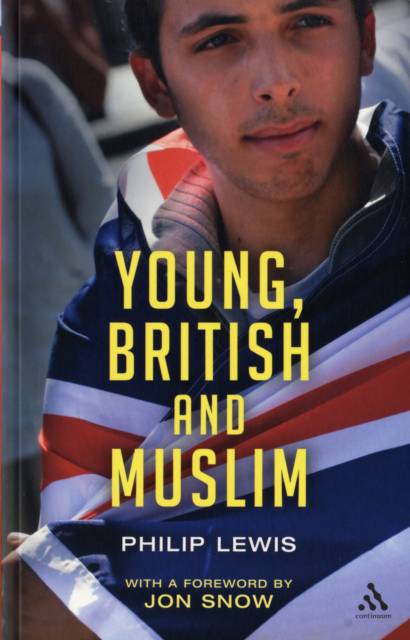
All four of the bombers involved in 7/7, the deadly attack on London's transport system in July 2005, were aged 30 or under. The spectre of extremist Islam looms large and Muslim youth in the UK are increasingly linked to radical Islamic movements. A clear, balanced examination of this complex issue is long overdue. Philip Lewis sets out to address this by looking at the lives and beliefs of young Muslims aged 18 to 30, against a backdrop of the problems any migrant community face. Beginning with an overview of British Muslim communities, he goes on to explore the nature of the intergenerational gap in the Muslim community, showing how normal tensions are exaggerated as children are educated in a language and culture different to that of their parents. Patriarchal 'clan politics' and a breakdown in communication between young Muslims and traditional Muslim leaders are dispossessing Islamic youth, leading a small but significant minority to turn to radical groups for somewhere to belong and something to believe in. Lewis concludes by identifying a generational shift from 'clan politics' to what he calls a 'new professionalism' and demonstrates how new organizations and networks of Muslim thinkers are springing up all the time - allowing young Muslims to find positive identities and outlets for their concerns and energies.
All four of the bombers involved in 7/7, the deadly attack on London's transport system in July 2005, were aged 30 or under. The spectre of extremist Islam looms large and Muslim youth in the UK are increasingly linked to radical Islamic movements. A clear, balanced examination of this complex issue is long overdue. Philip Lewis sets out to address this by looking at the lives and beliefs of young Muslims aged 18 to 30, against a backdrop of the problems any migrant community face. Beginning with an overview of British Muslim communities, he goes on to explore the nature of the intergenerational gap in the Muslim community, showing how normal tensions are exaggerated as children are educated in a language and culture different to that of their parents. Patriarchal 'clan politics' and a breakdown in communication between young Muslims and traditional Muslim leaders are dispossessing Islamic youth, leading a small but significant minority to turn to radical groups for somewhere to belong and something to believe in. Lewis concludes by identifying a generational shift from 'clan politics' to what he calls a 'new professionalism' and demonstrates how new organizations and networks of Muslim thinkers are springing up all the time - allowing young Muslims to find positive identities and outlets for their concerns and energies.
Specificaties
Betrokkenen
- Auteur(s):
- Uitgeverij:
Inhoud
- Aantal bladzijden:
- 192
- Taal:
- Engels
Eigenschappen
- Productcode (EAN):
- 9780826497307
- Verschijningsdatum:
- 12/02/2008
- Uitvoering:
- Paperback
- Formaat:
- Trade paperback (VS)
- Afmetingen:
- 142 mm x 216 mm
- Gewicht:
- 244 g


Alleen bij Standaard Boekhandel
+ 125 punten op je klantenkaart van Standaard Boekhandel
Cadeau

AANGERADEN


Beoordelingen
We publiceren alleen reviews die voldoen aan de voorwaarden voor reviews. Bekijk onze voorwaarden voor reviews.