


- Afhalen na 1 uur in een winkel met voorraad
- Gratis thuislevering in België vanaf € 30
- Ruim aanbod met 7 miljoen producten
- Afhalen na 1 uur in een winkel met voorraad
- Gratis thuislevering in België vanaf € 30
- Ruim aanbod met 7 miljoen producten





€ 34,95
+ 69 punten
Uitvoering
Omschrijving
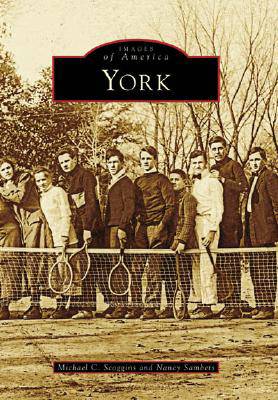
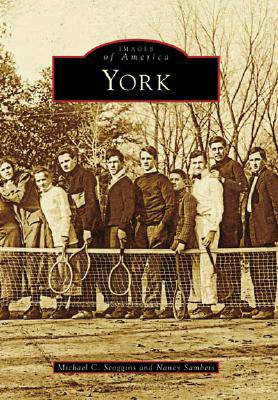
Situated halfway between the Broad and Catawba Rivers in upstate South Carolina, the area of present-day York was inhabited by Native Americans for several thousand years before immigrants from the British Isles arrived in the late 1740s. When the American Revolution began, York's early settlers almost overwhelmingly supported independence, and two important Patriot victories--the Battles of Williamson's Plantation (Huck's Defeat) and Kings Mountain--were fought nearby in 1780. York County was established in 1785, and the town of Yorkville became the county seat. Agriculture made up much of the town's economy in the 19th century, and the Kings Mountain Railroad sparked economic growth after 1852. The Kings Mountain Military School opened in 1855 and made Yorkville an educational center for the upcountry. Yorkville's cotton planters and slave owners supported the Confederacy during the Civil War, and the town was occupied by Federal troops during Reconstruction. Yorkville became York in the early 20th century, and textile manufacturing became its dominant industry. With the decline of the textile industry after 1980, the city has become a center for business, tourism, and high-tech manufacturing.
Specificaties
Betrokkenen
- Auteur(s):
- Uitgeverij:
Inhoud
- Aantal bladzijden:
- 128
- Taal:
- Engels
- Reeks:
Eigenschappen
- Productcode (EAN):
- 9780738544137
- Verschijningsdatum:
- 23/05/2007
- Uitvoering:
- Paperback
- Formaat:
- Trade paperback (VS)
- Afmetingen:
- 167 mm x 234 mm
- Gewicht:
- 317 g


Alleen bij Standaard Boekhandel
+ 69 punten op je klantenkaart van Standaard Boekhandel
Cadeau

AANGERADEN


Beoordelingen
We publiceren alleen reviews die voldoen aan de voorwaarden voor reviews. Bekijk onze voorwaarden voor reviews.