


- Afhalen na 1 uur in een winkel met voorraad
- Gratis thuislevering in België vanaf € 30
- Ruim aanbod met 7 miljoen producten
- Afhalen na 1 uur in een winkel met voorraad
- Gratis thuislevering in België vanaf € 30
- Ruim aanbod met 7 miljoen producten





€ 26,95
+ 53 punten
Uitvoering
Omschrijving
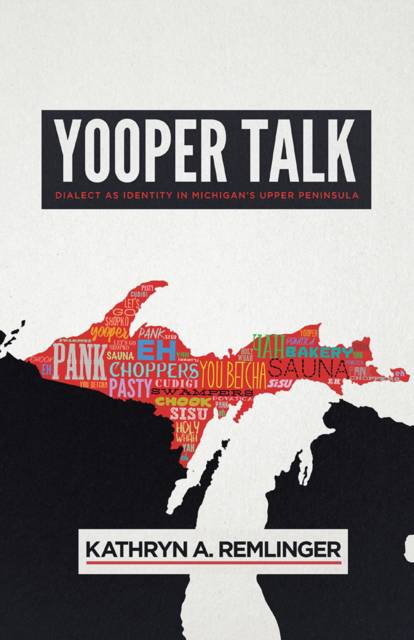
Yooper Talk is a fresh and significant contribution to understanding regional language and culture in North America. The Upper Peninsula of Michigan-known as "the UP"-is historically, geographically, and culturally distinct. Struggles over land, labor, and language during the last 150 years have shaped the variety of English spoken by resident Yoopers, as well as how they are viewed by outsiders. Drawing on sixteen years of fieldwork, including interviews with seventy-five lifelong residents of the UP, Kathryn Remlinger examines how the idea of a unique Yooper dialect emerged. Considering UP English in relation to other regional dialects and their speakers, she looks at local identity, literacy practices, media representations, language attitudes, notions of authenticity, economic factors, tourism, and contact with immigrant and Native American languages. The book also explores how a dialect becomes a recognizable and valuable commodity: Yooper talk (or "Yoopanese") is emblazoned on t-shirts, flags, postcards, coffee mugs, and bumper stickers. Yooper Talk explains linguistic concepts with entertaining examples for general readers and also contributes to interdisciplinary discussions of dialect and identity in sociolinguistics, anthropology, dialectology, and folklore.
Specificaties
Betrokkenen
- Auteur(s):
- Uitgeverij:
Inhoud
- Aantal bladzijden:
- 176
- Taal:
- Engels
- Reeks:
Eigenschappen
- Productcode (EAN):
- 9780299312541
- Verschijningsdatum:
- 13/08/2019
- Uitvoering:
- Paperback
- Formaat:
- Trade paperback (VS)
- Afmetingen:
- 140 mm x 216 mm
- Gewicht:
- 244 g



Alleen bij Standaard Boekhandel
+ 53 punten op je klantenkaart van Standaard Boekhandel
Cadeau

AANGERADEN


Beoordelingen
We publiceren alleen reviews die voldoen aan de voorwaarden voor reviews. Bekijk onze voorwaarden voor reviews.