


- Afhalen na 1 uur in een winkel met voorraad
- Gratis thuislevering in België vanaf € 30
- Ruim aanbod met 7 miljoen producten
- Afhalen na 1 uur in een winkel met voorraad
- Gratis thuislevering in België vanaf € 30
- Ruim aanbod met 7 miljoen producten





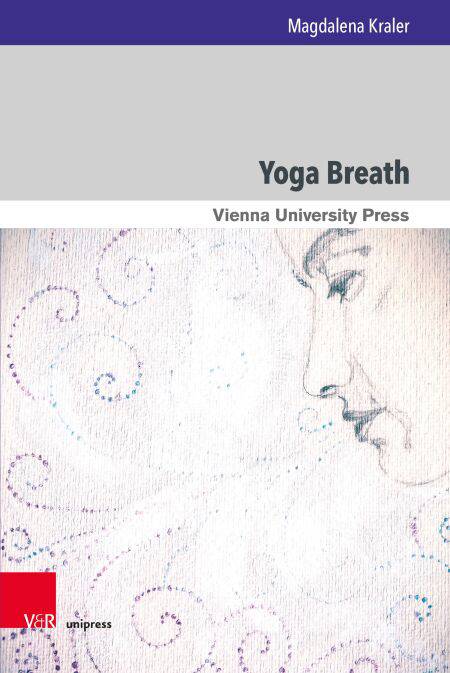
Yoga Breath E-BOOK
Magdalena Kraler
€ 70,00
+ 70 punten
Omschrijving
A central practice of both premodern and modern yoga, prāṇāyāma ("breath control") is practised in yoga classes worldwide. Like the notion of prāṇa ("breath", "vitality"), prāṇāyāma has a longstanding history in South Asia, constituting the fourth limb of Patanjali's yoga. Since roughly 1850, prāṇa and prāṇāyāma have been reinterpreted in light of the ideas of Hindu reform movements, nineteenth-century occultism, science, biomedicine, and transnational hygiene. In this book, Magdalena Kraler traces the history of yogic breath cultivation between 1850 and 1945 for the first time. She reconstructs how prāṇa assumed a central role in the cosmological frameworks of modern yoga and how prāṇāyāma came to be understood as a form of self-cultivation. Engaging one of modern yoga's key practices, this book not only offers a thorough academic analysis, but also responds to a growing worldwide interest in breath cultivation.
Specificaties
Betrokkenen
- Auteur(s):
- Uitgeverij:
Inhoud
- Aantal bladzijden:
- 447
- Taal:
- Engels
- Reeks:
Eigenschappen
- Productcode (EAN):
- 9783847017462
- Verschijningsdatum:
- 13/04/2025
- Uitvoering:
- E-book
- Formaat:


Alleen bij Standaard Boekhandel
+ 70 punten op je klantenkaart van Standaard Boekhandel
Cadeau

AANGERADEN


Beoordelingen
We publiceren alleen reviews die voldoen aan de voorwaarden voor reviews. Bekijk onze voorwaarden voor reviews.