


- Afhalen na 1 uur in een winkel met voorraad
- Gratis thuislevering in België vanaf € 30
- Ruim aanbod met 7 miljoen producten
- Afhalen na 1 uur in een winkel met voorraad
- Gratis thuislevering in België vanaf € 30
- Ruim aanbod met 7 miljoen producten





€ 33,95
+ 67 punten
Omschrijving
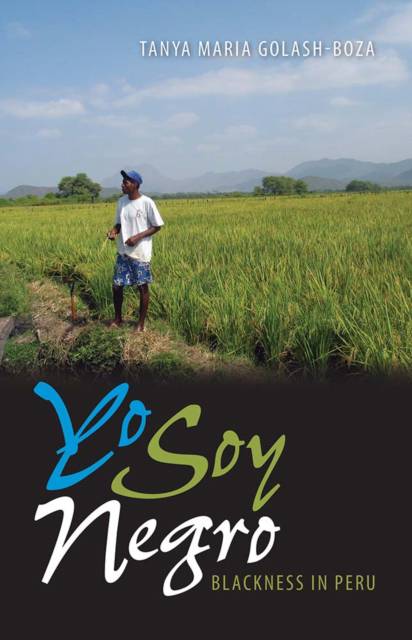
"Shows that the Afro-Peruvian experience must be part of any serious discussion of race, ethnicity, or contemporary society in Peru. This book will spark scholarly debate and inspire student discussion."--Leo J. Garofalo, coeditor of Afro-Latino Voices "Constitutes a much-needed addition to the literature on racial dynamics in Latin America. Through the words of her research subjects, Golash-Boza masterfully cautions the field against the facile equalization of color and race in Latin America. And, in a bold twist, she also warns against the reification of black culture and state officialization of race."--Stanley R. Bailey, author of Legacies of Race: Identities, Attitudes, and Politics in Brazil Yo Soy Negro is the first book in English--in fact, the first book in any language in more than two decades--to address what it means to be black in Peru. Based on extensive ethnographic work in the country and informed by more than eighty interviews with Peruvians of African descent, this groundbreaking study explains how ideas of race, color, and mestizaje in Peru differ greatly from those held in other Latin American nations. The conclusion that Tanya Maria Golash-Boza draws from her rigorous inquiry is that Peruvians of African descent give meaning to blackness without always referencing Africa, slavery, or black cultural forms. This represents a significant counterpoint to diaspora scholarship that points to the importance of slavery in defining blackness in Latin America as well as studies that place cultural and class differences at the center of racial discourses in the region. Tanya Maria Golash-Boza, assistant professor of sociology and American studies at the University of Kansas, is the author of Immigration Nation?: Raids, Detentions and Deportations in Post-9/11 America.
Specificaties
Betrokkenen
- Auteur(s):
- Uitgeverij:
Inhoud
- Aantal bladzijden:
- 246
- Taal:
- Engels
- Reeks:
Eigenschappen
- Productcode (EAN):
- 9780813044491
- Verschijningsdatum:
- 15/10/2012
- Uitvoering:
- Paperback
- Formaat:
- Trade paperback (VS)
- Afmetingen:
- 152 mm x 229 mm
- Gewicht:
- 371 g



Alleen bij Standaard Boekhandel
+ 67 punten op je klantenkaart van Standaard Boekhandel
Cadeau

AANGERADEN


Beoordelingen
We publiceren alleen reviews die voldoen aan de voorwaarden voor reviews. Bekijk onze voorwaarden voor reviews.