


- Afhalen na 1 uur in een winkel met voorraad
- Gratis thuislevering in België vanaf € 30
- Ruim aanbod met 7 miljoen producten
- Afhalen na 1 uur in een winkel met voorraad
- Gratis thuislevering in België vanaf € 30
- Ruim aanbod met 7 miljoen producten





€ 44,95
+ 89 punten
Omschrijving
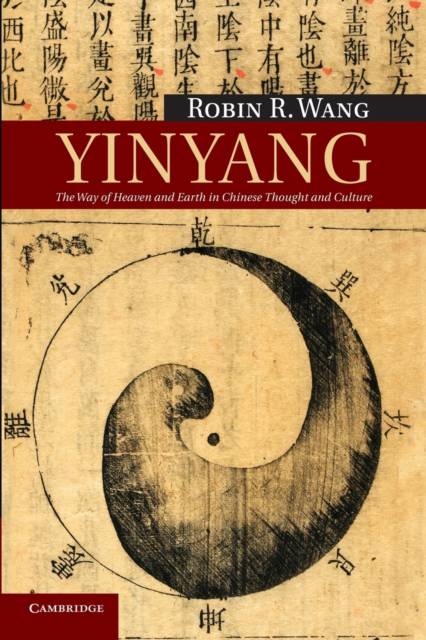
The concept of yinyang lies at the heart of Chinese thought and culture. The relationship between these two opposing, yet mutually dependent, forces is symbolized in the familiar black and white symbol that has become an icon in popular culture across the world. The real significance of yinyang is, however, more complex and subtle. This brilliant and comprehensive analysis by one of the leading authorities in the field captures the richness and multiplicity of the meanings and applications of yinyang, including its visual presentations. Through a vast range of historical and textual sources, the book examines the scope and role of yinyang, the philosophical significance of its various layers of meanings, and its relation to numerous schools and traditions within Chinese (and Western) philosophy. By putting yinyang on a secure and clear philosophical footing, the book roots the concept in the original Chinese idiom, distancing it from Western assumptions, frameworks, and terms, yet also seeking to connect its analysis to shared cross-cultural philosophical concerns. In this way, the book illuminates not only a particular way of thinking, but also shows how yinyang thought has manifested itself concretely in a wide range of cultural practices, ranging from divination to medicine, and from the art of war to the art of sex.
Specificaties
Betrokkenen
- Auteur(s):
- Uitgeverij:
Inhoud
- Aantal bladzijden:
- 264
- Taal:
- Engels
- Reeks:
- Reeksnummer:
- nr. 11
Eigenschappen
- Productcode (EAN):
- 9780521165136
- Verschijningsdatum:
- 24/09/2012
- Uitvoering:
- Paperback
- Formaat:
- Trade paperback (VS)
- Afmetingen:
- 152 mm x 226 mm
- Gewicht:
- 362 g



Alleen bij Standaard Boekhandel
+ 89 punten op je klantenkaart van Standaard Boekhandel
Cadeau

AANGERADEN


Beoordelingen
We publiceren alleen reviews die voldoen aan de voorwaarden voor reviews. Bekijk onze voorwaarden voor reviews.