


- Afhalen na 1 uur in een winkel met voorraad
- Gratis thuislevering in België vanaf € 30
- Ruim aanbod met 7 miljoen producten
- Afhalen na 1 uur in een winkel met voorraad
- Gratis thuislevering in België vanaf € 30
- Ruim aanbod met 7 miljoen producten





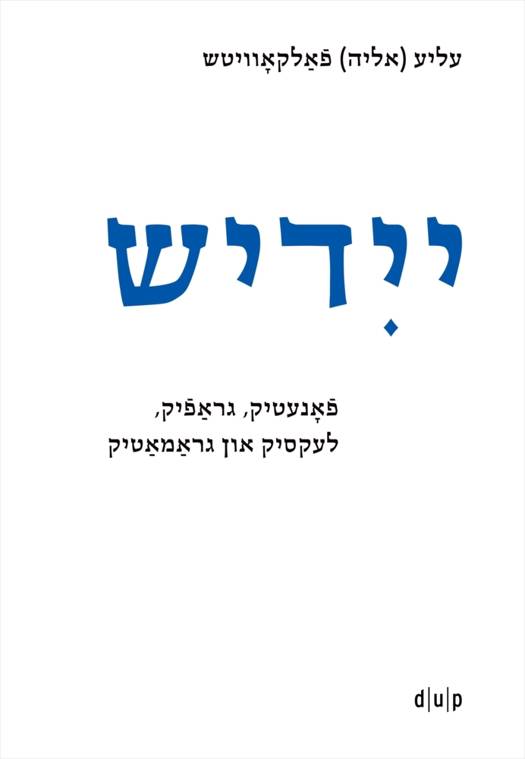
Yidish. Fonetik, Grafik, Leksik Un Gramatik / Jiddisch. Phonetik, Graphemik, Lexik Und Grammatik / Yiddish. Phonetics, Graphemics, Lexis, and Grammar
Naye Editsye / Neue Edition / New Edition
Elye Falkovitsh
Hardcover | Duits | Jiddistik Edition Und Forschung / Yiddish Editions and Research / ייִדי | nr. 7
€ 40,45
Omschrijving
Die 1940 in Moskau erschienene Grammatik von Elye Falkovitsh, eines der wichtigsten Nachschlagewerke jiddischer Sprachwissenschaft, ist in neuer Edition erstmals wieder allgemein zugänglich. Das theoretische Grammatikbuch umfasst Phonetik, Graphemik, Lexik und Grammatik und liefert eine ausführliche Beschreibung des modernen Jiddisch. Eine formalistisch synchrone Beschreibung des Sprachsystems wird durch Passagen zur Geschichte der jiddischen Sprache und zur Entwicklung einzelner Formen ergänzt. Wichtigen Schwerpunkt bildet die Darstellung von Jiddisch im Kontext der allgemeinen Linguistik.
Für die neue Edition wurde der ursprünglich in sowjetischer Orthographie erschienene Text an den modernen YIVO-Standard angepasst. Ein Kommentarapparat dient als Referenzwerk zu den jeweiligen grammatischen Themen und umreißt Falkovitshs Verfahren im Kontext der zeitgenössischen jiddischen Sprachwissenschaft.
Die Edition beleuchtet eine bis heute aufgrund ideologischer Vorurteile wenig beachtete wichtige Facette jiddisch-sowjetischer Sprachforschung. Vier Essays kontextualisieren Falkovitshs Leben und Werk kulturhistorisch wie linguistisch und stellen seine Grammatik in Relation zu jiddistischen Sprachprojekten in und außerhalb der Sowjetunion.
Specificaties
Betrokkenen
- Auteur(s):
- Uitgeverij:
Inhoud
- Aantal bladzijden:
- 668
- Taal:
- Duits
- Reeks:
- Reeksnummer:
- nr. 7
Eigenschappen
- Productcode (EAN):
- 9783111329956
- Verschijningsdatum:
- 1/04/2024
- Uitvoering:
- Hardcover
- Formaat:
- Genaaid
- Afmetingen:
- 168 mm x 236 mm
- Gewicht:
- 1270 g


Alleen bij Standaard Boekhandel
AANGERADEN


Beoordelingen
We publiceren alleen reviews die voldoen aan de voorwaarden voor reviews. Bekijk onze voorwaarden voor reviews.