


- Afhalen na 1 uur in een winkel met voorraad
- Gratis thuislevering in België vanaf € 30
- Ruim aanbod met 7 miljoen producten
- Afhalen na 1 uur in een winkel met voorraad
- Gratis thuislevering in België vanaf € 30
- Ruim aanbod met 7 miljoen producten





€ 159,45
+ 318 punten
Omschrijving
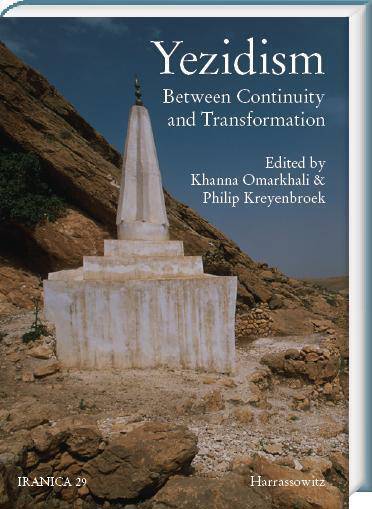
The genocidal attack of ISIS on the Yezidi community of the Sinjar region in 2014, with its murder of men and enslavement of women and children, has had enormous consequences for Yezidi communities both in the homelands and in the Diaspora. At the same time, many communities are facing the intrusion of the modern world upon their hitherto very conservative religious traditions. This book focuses on the tensions between conservatism and the need to adapt to current circumstances in a religion which so far mostly resisted change. A number of specialists have been brought together here to offer insights into Yezidis' often unexpected reactions to the pressures of genocide on the one hand, and modernity generally on the other. It deals with recent trends and developments concerning the Yezidis and is divided into two parts. The first part contains articles about the IS attack and its impact on Yezidi communities in the Middle East. The second part focuses on developments in the Yezidi Diaspora communities. The book will be of interest to specialists on religion, especially those working on the Middle East and on diaspora religion, but also to Iranists, Kurdologists and scholars of different disciplines working on the effects of genocide or other brutal attacks on the worldview of surviving victims, or on the influence of modernity on conservative societies.
Specificaties
Betrokkenen
- Uitgeverij:
Inhoud
- Aantal bladzijden:
- 324
- Taal:
- Engels
- Reeks:
- Reeksnummer:
- nr. 29
Eigenschappen
- Productcode (EAN):
- 9783447118002
- Verschijningsdatum:
- 9/03/2022
- Uitvoering:
- Hardcover
- Formaat:
- Genaaid
- Afmetingen:
- 185 mm x 26 mm
- Gewicht:
- 7515 g


Alleen bij Standaard Boekhandel
+ 318 punten op je klantenkaart van Standaard Boekhandel
Wedstrijd


Beoordelingen
We publiceren alleen reviews die voldoen aan de voorwaarden voor reviews. Bekijk onze voorwaarden voor reviews.