


- Afhalen na 1 uur in een winkel met voorraad
- Gratis thuislevering in België vanaf € 30
- Ruim aanbod met 7 miljoen producten
- Afhalen na 1 uur in een winkel met voorraad
- Gratis thuislevering in België vanaf € 30
- Ruim aanbod met 7 miljoen producten





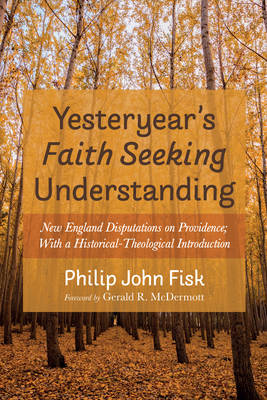
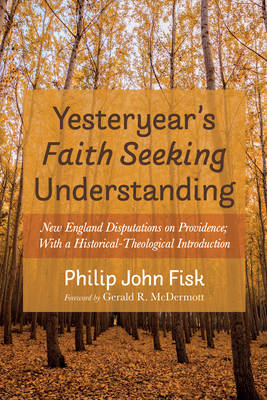
Yesteryear's Faith Seeking Understanding
New England Disputations on Providence; With a Historical-Theological Introduction
Philip John Fisk
Hardcover | Engels
€ 62,45
+ 124 punten
Uitvoering
Omschrijving
The voices of yesteryear's scholastics are silenced. Scholastic distinctions discarded. Faith seeking understanding cancelled. This book turns to university professors who brought classical, medieval, Reformation, and Renaissance thought to bear on the teaching of the doctrine of providence at the early New England Colleges. Their ultimate purpose was to exonerate God from the charge that he was the author, even actor, of evil. Their scholastic method drew from a long and surprisingly ecumenical and philosophical enterprise in the history of the church. This book's aim is to let the scholastic approaches to the mystery of divine providence speak for themselves. Part One introduces the reader to the art of disputation and provides a guided historical-theological tour of scholastic distinctions that were used by doctors of the church to explain issues related to the doctrine of divine providence. Part Two invites the reader to follow the author on his journeys to Harvard, Yale, the College of New Jersey, and the College of Rhode Island, and Providence Plantations' commencement-day disputations as he engages in Platonic-like dialogues with presidents, rectors, and students of the New England Colleges. While the dialogues are imagined, the characters, times, locations, and quoted texts are real.
Specificaties
Betrokkenen
- Auteur(s):
- Uitgeverij:
Inhoud
- Aantal bladzijden:
- 278
- Taal:
- Engels
Eigenschappen
- Productcode (EAN):
- 9781666729498
- Verschijningsdatum:
- 24/06/2022
- Uitvoering:
- Hardcover
- Formaat:
- Genaaid
- Afmetingen:
- 152 mm x 229 mm
- Gewicht:
- 539 g


Alleen bij Standaard Boekhandel
+ 124 punten op je klantenkaart van Standaard Boekhandel
Cadeau

AANGERADEN


Beoordelingen
We publiceren alleen reviews die voldoen aan de voorwaarden voor reviews. Bekijk onze voorwaarden voor reviews.