



Je cadeautjes zeker op tijd in huis hebben voor de feestdagen? Kom langs in onze winkels en vind het perfecte geschenk!
- Afhalen na 1 uur in een winkel met voorraad
- Gratis thuislevering in België vanaf € 30
- Ruim aanbod met 7 miljoen producten
Je cadeautjes zeker op tijd in huis hebben voor de feestdagen? Kom langs in onze winkels en vind het perfecte geschenk!
- Afhalen na 1 uur in een winkel met voorraad
- Gratis thuislevering in België vanaf € 30
- Ruim aanbod met 7 miljoen producten





€ 23,95
+ 47 punten
Omschrijving
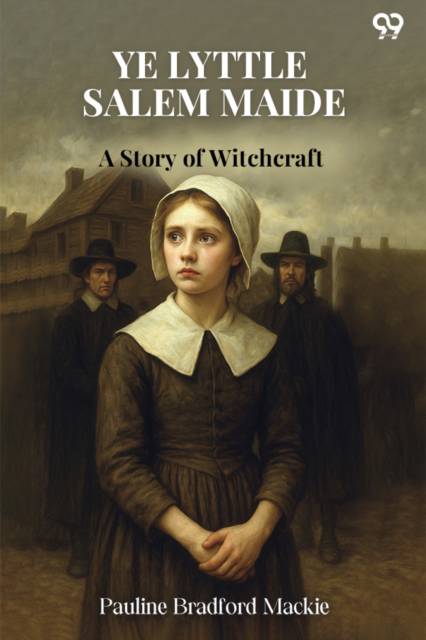
Ye lyttle salem maide: A story of witchcraft examines the quiet terror of communal judgment during an era ruled by fear and superstition. It presents the emotional isolation of those caught in the currents of suspicion, particularly women whose actions are misread through a lens of moral rigidity. The story reveals how innocence is vulnerable in a world shaped by fear rather than truth, where social codes become weapons and perception overrides justice. Set against the backdrop of witchcraft panic, it explores how power operates through silence, whispers, and conformity, leaving little room for defense. The narrative draws a stark contrast between inner clarity and public hysteria, questioning how easily virtue can be recast as guilt. Through its focus on restrained dialogue and internal tension, the novel explores how collective anxiety reshapes identity and trust. The characters reflect a community spiraling into distrust, where survival demands either submission or quiet resistance. The story underscores how fear strips away nuance, and how even fleeting encounters can trigger lasting consequences in a culture eager to condemn.
Specificaties
Betrokkenen
- Auteur(s):
- Uitgeverij:
Inhoud
- Aantal bladzijden:
- 144
- Taal:
- Engels
Eigenschappen
- Productcode (EAN):
- 9789371463645
- Verschijningsdatum:
- 1/06/2025
- Uitvoering:
- Paperback
- Formaat:
- Trade paperback (VS)
- Afmetingen:
- 140 mm x 216 mm
- Gewicht:
- 172 g


Alleen bij Standaard Boekhandel
+ 47 punten op je klantenkaart van Standaard Boekhandel
CADEAU


Beoordelingen
We publiceren alleen reviews die voldoen aan de voorwaarden voor reviews. Bekijk onze voorwaarden voor reviews.