


- Afhalen na 1 uur in een winkel met voorraad
- Gratis thuislevering in België vanaf € 30
- Ruim aanbod met 7 miljoen producten
- Afhalen na 1 uur in een winkel met voorraad
- Gratis thuislevering in België vanaf € 30
- Ruim aanbod met 7 miljoen producten





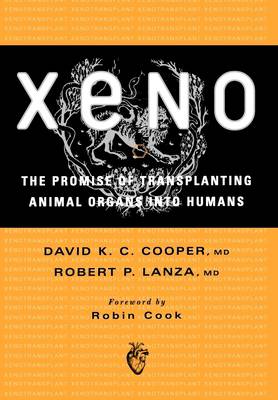
Xeno
The Promise of Transplanting Animal Organs Into Humans
David K C Cooper, Robert P Lanza
Hardcover | Engels
€ 122,45
+ 244 punten
Omschrijving
The plight of a patient waiting months, sometimes years, for an organ transplant is one of the most heart-wrenching predicaments confronting medicine today. But the current critical shortage of human donor organs has had one positive consequence: it has stimulated promising new research into the field of xenotransplantation--the transplantation of organs from one animal species to another.
In Xeno: The Promise of Transplanting Animal Organs Into Humans, David Cooper and Robert Lanza explore what may become one of the greatest medical advances of the 21st century. As scientists genetically engineer animal organs to evade the problems of rejection, we can expect a tremendous increase in xenotransplantation. This book recounts the several historical attempts to transplant animal organs into humans, and draws attention to the immense potential and promise of this form of therapy. The problems which remain, and recent breakthroughs in overcoming rejection and in "humanizing" pig organs for transplantation, are fully discussed. The authors also provide a fascinating consideration of the social and ethical questions posed by such procedures. Which patients should be the first to be offered this new form of therapy? Will transplanted animal organs transfer infectious viruses to the human recipient, and will they then be passed on to the community at large? Can society afford the major increase in healthcare expenditure that will result from our ability to provide a limitless number of donor organs?
With profound implications for human health and longevity in the next millennium, Xeno is essential reading for anyone interested in the future of medicine.
In Xeno: The Promise of Transplanting Animal Organs Into Humans, David Cooper and Robert Lanza explore what may become one of the greatest medical advances of the 21st century. As scientists genetically engineer animal organs to evade the problems of rejection, we can expect a tremendous increase in xenotransplantation. This book recounts the several historical attempts to transplant animal organs into humans, and draws attention to the immense potential and promise of this form of therapy. The problems which remain, and recent breakthroughs in overcoming rejection and in "humanizing" pig organs for transplantation, are fully discussed. The authors also provide a fascinating consideration of the social and ethical questions posed by such procedures. Which patients should be the first to be offered this new form of therapy? Will transplanted animal organs transfer infectious viruses to the human recipient, and will they then be passed on to the community at large? Can society afford the major increase in healthcare expenditure that will result from our ability to provide a limitless number of donor organs?
With profound implications for human health and longevity in the next millennium, Xeno is essential reading for anyone interested in the future of medicine.
Specificaties
Betrokkenen
- Auteur(s):
- Uitgeverij:
Inhoud
- Aantal bladzijden:
- 304
- Taal:
- Engels
Eigenschappen
- Productcode (EAN):
- 9780195128338
- Verschijningsdatum:
- 23/03/2000
- Uitvoering:
- Hardcover
- Formaat:
- Genaaid
- Afmetingen:
- 162 mm x 240 mm
- Gewicht:
- 557 g


Alleen bij Standaard Boekhandel
+ 244 punten op je klantenkaart van Standaard Boekhandel

Beoordelingen
We publiceren alleen reviews die voldoen aan de voorwaarden voor reviews. Bekijk onze voorwaarden voor reviews.