


- Afhalen na 1 uur in een winkel met voorraad
- Gratis thuislevering in België vanaf € 30
- Ruim aanbod met 7 miljoen producten
- Afhalen na 1 uur in een winkel met voorraad
- Gratis thuislevering in België vanaf € 30
- Ruim aanbod met 7 miljoen producten





€ 27,95
+ 55 punten
Omschrijving
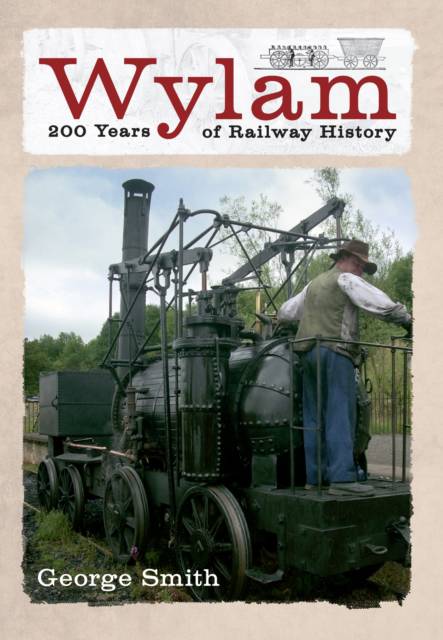
The story of Wylam village in Northumberland is a story about the origin of railways. The birthplace of George Stephenson, it was the centre for the first revolutionary pioneering work on railway engineering which laid the foundation for all that followed. At the beginning of the nineteenth century, on the instigation of colliery owner Christopher Blackett, a series of revolutionary experiments in railway technology were conducted. The principal protagonists read like a roll call of great railway engineers: the wayward genius Richard Trevithick, the devout Methodist Timothy Hackworth who wouldn't work on the Sabbath and the portly asthmatic William Hedley who oversaw the work. It was Hedley who, in 1813, would invent the legendary Puffing Billy, the first reliable working steam locomotive.
Specificaties
Betrokkenen
- Auteur(s):
- Uitgeverij:
Inhoud
- Aantal bladzijden:
- 128
- Taal:
- Engels
Eigenschappen
- Productcode (EAN):
- 9781445610771
- Verschijningsdatum:
- 15/10/2012
- Uitvoering:
- Paperback
- Formaat:
- Trade paperback (VS)
- Afmetingen:
- 172 mm x 248 mm
- Gewicht:
- 334 g


Alleen bij Standaard Boekhandel
+ 55 punten op je klantenkaart van Standaard Boekhandel
Cadeau

AANGERADEN


Beoordelingen
We publiceren alleen reviews die voldoen aan de voorwaarden voor reviews. Bekijk onze voorwaarden voor reviews.