


- Afhalen na 1 uur in een winkel met voorraad
- Gratis thuislevering in België vanaf € 30
- Ruim aanbod met 7 miljoen producten
- Afhalen na 1 uur in een winkel met voorraad
- Gratis thuislevering in België vanaf € 30
- Ruim aanbod met 7 miljoen producten





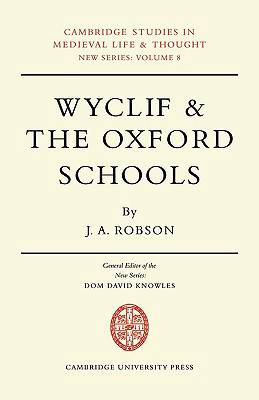
Wyclif and the Oxford Schools
The Relation of the 'Summa de Ente' to Scholastic Debates at Oxford in the Later Fourteenth Century
J A Robson
€ 67,95
+ 135 punten
Omschrijving
Dr Robson gives a full account of Wyclif's career as an Oxford don - the little-known period of his life before in 1372 he became a controversialist - so answering the question, why was Wyclif when he became a public figure already acknowledged the leading master in Oxford? Part I of the book examines scholastic theology at Oxford from 1330 to 1370, with special emphasis on Bradwardine and Fitzltalph, the two great influences on Wyclif. Part II analyses Wyclif's most important work of philosophy, the Summa de Ente. The last chapter discusses the survival of realist metaphysics at Oxford after Wyclif's condemnation. The book is therefore a study in scholastic philosophy and theology, which helps us to understand the later Wyclif, and throws light on intellectual life at Oxford in the fourteenth century.
Specificaties
Betrokkenen
- Auteur(s):
- Uitgeverij:
Inhoud
- Aantal bladzijden:
- 284
- Taal:
- Engels
- Reeks:
- Reeksnummer:
- nr. 8
Eigenschappen
- Productcode (EAN):
- 9780521089326
- Verschijningsdatum:
- 6/11/2008
- Uitvoering:
- Paperback
- Formaat:
- Trade paperback (VS)
- Afmetingen:
- 140 mm x 216 mm
- Gewicht:
- 362 g


Alleen bij Standaard Boekhandel
+ 135 punten op je klantenkaart van Standaard Boekhandel
Cadeau

AANGERADEN


Beoordelingen
We publiceren alleen reviews die voldoen aan de voorwaarden voor reviews. Bekijk onze voorwaarden voor reviews.