



- Afhalen na 1 uur in een winkel met voorraad
- In januari gratis thuislevering in België
- Ruim aanbod met 7 miljoen producten
- Afhalen na 1 uur in een winkel met voorraad
- In januari gratis thuislevering in België
- Ruim aanbod met 7 miljoen producten





€ 177,45
+ 354 punten
Omschrijving
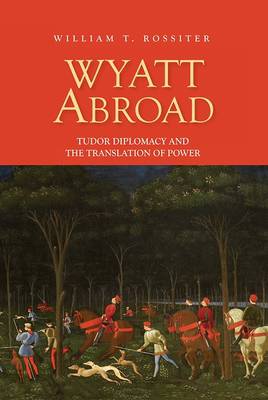
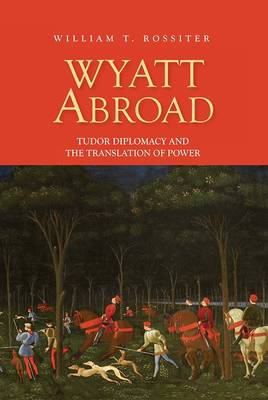
During the 1520s and 1530s Sir Thomas Wyatt, the poet and diplomat, composed a number of translations and adaptations of European poetry (including the Penitential Psalms and works by Petrarch) when he was in embassy, or engaged in international negotiations.This volume presents a comparative analysis of those poems which were directly or indirectly shaped by his ambassadorial experience. By examining the key points of divergence from and adaptation of his Italian, Latin and French sources and analogues, the author identifes the specific ways in which Wyatt reformed those sources in order to comment upon the lability of Tudor diplomacy and the political machinations at home and abroad which informed it, and the personal cost to Wyatt himself. The volume also identifies Wyatt's innovations and his debts, so redressing earlier interpretations of Wyatt's work which ignored its translative ontology, and, through noting Wyatt's specific alterations and ameliorations, allowing a clearer image of Wyatt's own poetics to develop.
Specificaties
Betrokkenen
- Auteur(s):
- Uitgeverij:
Inhoud
- Aantal bladzijden:
- 258
- Taal:
- Engels
- Reeks:
- Reeksnummer:
- nr. 32
Eigenschappen
- Productcode (EAN):
- 9781843843887
- Verschijningsdatum:
- 20/11/2014
- Uitvoering:
- Hardcover
- Formaat:
- Genaaid
- Afmetingen:
- 156 mm x 234 mm
- Gewicht:
- 539 g


Alleen bij Standaard Boekhandel
+ 354 punten op je klantenkaart van Standaard Boekhandel
Cadeau

AANGERADEN


Beoordelingen
We publiceren alleen reviews die voldoen aan de voorwaarden voor reviews. Bekijk onze voorwaarden voor reviews.