


- Afhalen na 1 uur in een winkel met voorraad
- Gratis thuislevering in België vanaf € 30
- Ruim aanbod met 7 miljoen producten
- Afhalen na 1 uur in een winkel met voorraad
- Gratis thuislevering in België vanaf € 30
- Ruim aanbod met 7 miljoen producten





Omschrijving
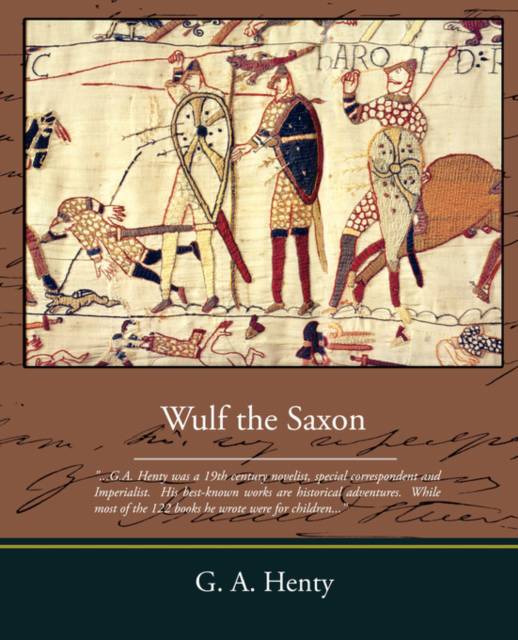
G.A. Henty was a 19th century novelist, special correspondent and Imperialist. His best-known works are historical adventures. While most of the 122 books he wrote were for children, he also wrote adult novels, non-fiction such as The March to Magdala (1868) and Those Other Animals (1891), short stories for the likes of The Boy's Own Paper and edited the Union Jack, a weekly boys magazine. Wulf the Saxon is an action filled story of the Norman conquest. The adventure begins "From one of the side doors of the palace a page, some fifteen or sixteen years of age, ran down the steps in haste. He was evidently a Saxon by his fair hair and fresh complexion, and any observer of the time would have seen that he must, therefore, be in the employment of Earl Harold, the great minister, who had for many years virtually ruled England in the name of its king."
Specificaties
Betrokkenen
- Auteur(s):
- Uitgeverij:
Inhoud
- Aantal bladzijden:
- 312
- Taal:
- Engels
Eigenschappen
- Productcode (EAN):
- 9781438508665
- Verschijningsdatum:
- 31/12/2008
- Uitvoering:
- Paperback
- Formaat:
- Trade paperback (VS)
- Afmetingen:
- 190 mm x 235 mm
- Gewicht:
- 539 g


Alleen bij Standaard Boekhandel
+ 67 punten op je klantenkaart van Standaard Boekhandel
Cadeau

AANGERADEN


Beoordelingen
We publiceren alleen reviews die voldoen aan de voorwaarden voor reviews. Bekijk onze voorwaarden voor reviews.