


- Afhalen na 1 uur in een winkel met voorraad
- Gratis thuislevering in België vanaf € 30
- Ruim aanbod met 7 miljoen producten
- Afhalen na 1 uur in een winkel met voorraad
- Gratis thuislevering in België vanaf € 30
- Ruim aanbod met 7 miljoen producten





Omschrijving
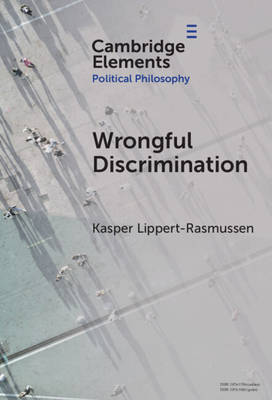
In a generic sense, to discriminate is to differentiate. Generic discrimination is not wrongful. But many instances of a more specific form of discrimination - differentiating between people because they are members of different socially salient groups (henceforth: group discrimination) - are wrongful. This means that people subjected to group discrimination are often wronged, and this bears importantly on whether such acts are morally impermissible. The three main accounts of what makes group discrimination wrongful appeal to considerations of harm, disrespect, and social relations of inequality, respectively. While each of them can explain the wrongfulness of some paradigmatic instances of wrongful direct discrimination, they explain the wrongfulness of a set of three important non-paradigmatic forms of discrimination - indirect discrimination, implicit bias, and algorithmic discrimination - less well. Overall, the prospects of a monistic account of the wrongfulness of discrimination are bleak.
Specificaties
Betrokkenen
- Auteur(s):
- Uitgeverij:
Inhoud
- Aantal bladzijden:
- 82
- Taal:
- Engels
- Reeks:
Eigenschappen
- Productcode (EAN):
- 9781009596725
- Verschijningsdatum:
- 22/01/2026
- Uitvoering:
- Hardcover
- Formaat:
- Genaaid
- Afmetingen:
- 152 mm x 229 mm
- Gewicht:
- 281 g


Alleen bij Standaard Boekhandel
+ 248 punten op je klantenkaart van Standaard Boekhandel
Cadeau

AANGERADEN


Beoordelingen
We publiceren alleen reviews die voldoen aan de voorwaarden voor reviews. Bekijk onze voorwaarden voor reviews.