


- Afhalen na 1 uur in een winkel met voorraad
- Gratis thuislevering in België vanaf € 30
- Ruim aanbod met 7 miljoen producten
- Afhalen na 1 uur in een winkel met voorraad
- Gratis thuislevering in België vanaf € 30
- Ruim aanbod met 7 miljoen producten





€ 152,95
+ 305 punten
Uitvoering
Eenvoudig bestellen
Veilig betalen


Gratis thuislevering vanaf € 30 (via bpost)
Gratis levering in je Standaard Boekhandel
Omschrijving
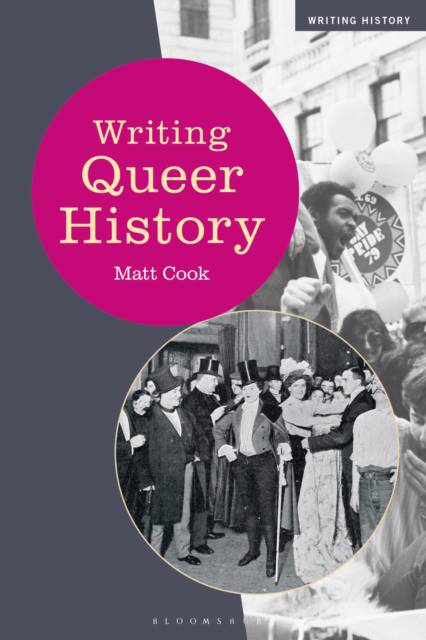
Writing Queer History explores the remarkable and various ways in which historians and others have contended with the queer past. From the radical ferment of the 1960s and the emergence of lesbian and gay history, the book charts a course to the culture wars and queer history of our present day. How have LGBT and queer historians responded to their cultural and political contexts, to broader and shifting historical practices, and to queer and other theoretical perspectives? How have they navigated sources, fragments, gaps and silences? And what has their work revealed and achieved?
In this state-of-field guide, Matt Cook surveys research and writing from across the last 60 years by activist, community and academic historians, working within and beyond university settings, and across different disciplines and genres. He argues that queer history has been a connective, intersectional and boundary-crossing practice. At its best, it has illuminated broad social, cultural, political and historical dynamics, and multivalent ideas and experiences of desire, identity, and community.
Over five chapters, each with an autobiographical coda, the book shows how the personal is not only political but profoundly historical.
Specificaties
Betrokkenen
- Auteur(s):
- Uitgeverij:
Inhoud
- Aantal bladzijden:
- 296
- Taal:
- Engels
- Reeks:
Eigenschappen
- Productcode (EAN):
- 9781474247511
- Verschijningsdatum:
- 19/02/2026
- Uitvoering:
- Hardcover
- Formaat:
- Genaaid
- Afmetingen:
- 156 mm x 234 mm
- Gewicht:
- 594 g



Alleen bij Standaard Boekhandel
+ 305 punten op je klantenkaart van Standaard Boekhandel
CADEAU

AANGERADEN


Beoordelingen
We publiceren alleen reviews die voldoen aan de voorwaarden voor reviews. Bekijk onze voorwaarden voor reviews.