


- Afhalen na 1 uur in een winkel met voorraad
- Gratis thuislevering in België vanaf € 30
- Ruim aanbod met 7 miljoen producten
- Afhalen na 1 uur in een winkel met voorraad
- Gratis thuislevering in België vanaf € 30
- Ruim aanbod met 7 miljoen producten





€ 177,45
+ 354 punten
Omschrijving
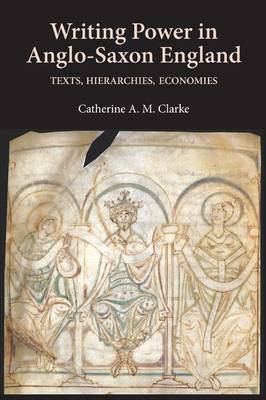
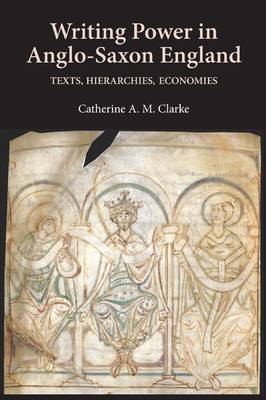
"A work of fine and nuanced intelligence... Skilled and learned readings of a number of important texts. Fluent, polished, and beautifully written." Dr Katy Cubitt, University of York. The formation and operation of systems of power and patronage in Anglo-Saxon England are currently the focus of concerted scholarly attention. This book explores how power is shaped and negotiated in later Anglo-Saxon texts, focusing in particular on how hierarchical, vertical structures are presented alongside patterns of reciprocity and economies of mutual obligation, especially within the context of patronage relationships (whether secular, spiritual, literal or symbolic). Through close analysis of a wide selection of sources in the vernacular and Latin (including the Guthlac poems of the Exeter Book, Old English verse epitaphs, the acrostic poetry of Abbo of Fleury, the 'Encomium Emmae Reginae and Libellus Æthelwoldi Episcopi'), the study examines how texts sustain dual ways of seeing and understanding power, generating a range of imaginative possibilities along with tensions, ambiguities and instances of disguise or euphemism. It also advances new arguments about the ideology and rhetoric of power in the early medieval period. Catherine A. M. Clarke is Professor in English, University of Southampton.
Specificaties
Betrokkenen
- Auteur(s):
- Uitgeverij:
Inhoud
- Aantal bladzijden:
- 206
- Taal:
- Engels
- Reeks:
- Reeksnummer:
- nr. 17
Eigenschappen
- Productcode (EAN):
- 9781843843191
- Verschijningsdatum:
- 19/04/2012
- Uitvoering:
- Hardcover
- Formaat:
- Genaaid
- Afmetingen:
- 160 mm x 239 mm
- Gewicht:
- 521 g


Alleen bij Standaard Boekhandel
+ 354 punten op je klantenkaart van Standaard Boekhandel
CADEAU

AANGERADEN


Beoordelingen
We publiceren alleen reviews die voldoen aan de voorwaarden voor reviews. Bekijk onze voorwaarden voor reviews.