



Bedankt voor het vertrouwen het afgelopen jaar! Om jou te bedanken bieden we GRATIS verzending (in België) aan op alles gedurende de hele maand januari.
- Afhalen na 1 uur in een winkel met voorraad
- In januari gratis thuislevering in België
- Ruim aanbod met 7 miljoen producten
Bedankt voor het vertrouwen het afgelopen jaar! Om jou te bedanken bieden we GRATIS verzending (in België) aan op alles gedurende de hele maand januari.
- Afhalen na 1 uur in een winkel met voorraad
- In januari gratis thuislevering in België
- Ruim aanbod met 7 miljoen producten





Omschrijving
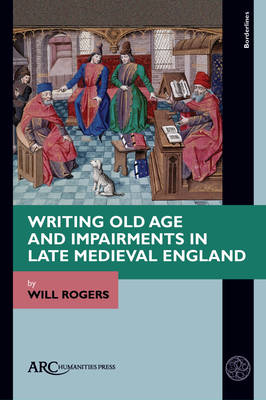
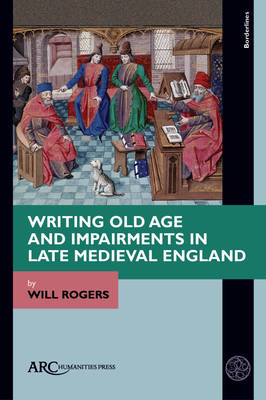
The old speaker in Middle English literature often claims to be impaired because of age. This admission is often followed by narratives that directly contradict it, as speakers, such as the Reeve in Chaucer's Canterbury Tales or Amans in Gower's Confessio Amantis, proceed to perform even as they claim debility. More than the modesty topos, this contradiction exists, the book argues, as prosthesis: old age brings with it debility, but discussing age-related impairments augments the old, impaired body, while simultaneously undercutting and emphasizing bodily impairments. This language of prosthesis becomes a metaphor for the works these speakers use to fashion narrative, which exist as incomplete yet powerful sources.
Specificaties
Betrokkenen
- Auteur(s):
- Uitgeverij:
Inhoud
- Aantal bladzijden:
- 160
- Taal:
- Engels
- Reeks:
Eigenschappen
- Productcode (EAN):
- 9781641892544
- Verschijningsdatum:
- 30/04/2021
- Uitvoering:
- Hardcover
- Formaat:
- Genaaid
- Afmetingen:
- 159 mm x 235 mm
- Gewicht:
- 340 g


Alleen bij Standaard Boekhandel
+ 358 punten op je klantenkaart van Standaard Boekhandel
SOLDEN


Beoordelingen
We publiceren alleen reviews die voldoen aan de voorwaarden voor reviews. Bekijk onze voorwaarden voor reviews.