


- Afhalen na 1 uur in een winkel met voorraad
- Gratis thuislevering in België vanaf € 30
- Ruim aanbod met 7 miljoen producten
- Afhalen na 1 uur in een winkel met voorraad
- Gratis thuislevering in België vanaf € 30
- Ruim aanbod met 7 miljoen producten





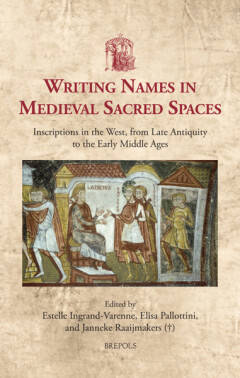
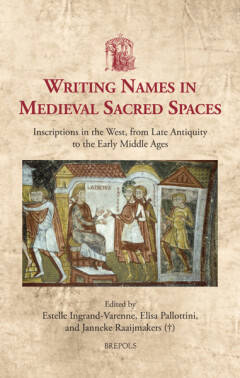
Writing Names in Medieval Sacred Spaces
Inscriptions in the West, from Late Antiquity to the Early Middle Ages
Estelle Ingrand-Varenne
€ 116,60
+ 233 punten
Omschrijving
This volume proposes a framework for reflection on practices of writing personal names in medieval sacred spaces, uniting historians, art historians, and specialists in written culture (both epigraphers and palaeographers). It traces the forms and functions of names that can be found within the space of early medieval churches and cemeteries, focusing mainly, but not solely, on inscriptions. By examining names written in various kinds of media, from liturgical books to graffiti and more formal inscriptions, the contributors investigate the intentions and effects of the act of writing one's own name or having one's name written down. Their interest resides less in the name itself than the interactions it had with its spatial, iconographic, linguistic, ritual, and cultural context, and what this indicates about medieval graphical practices. What is a name from a graphic point of view? What are the specificities of the epigraphic manifestations of names? By whom were names written, and for whom were they intended (if they were even meant to be accessed)? Addressing these and other questions, this volume shows the importance of inscriptions as historical sources and the contribution they give to the study of medieval societies at the intersection of history, anthropology, archaeology, linguistics, and semiology.
Specificaties
Betrokkenen
- Auteur(s):
- Uitgeverij:
Inhoud
- Aantal bladzijden:
- 406
- Taal:
- Engels
- Reeks:
- Reeksnummer:
- nr. 56
Eigenschappen
- Productcode (EAN):
- 9782503602363
- Verschijningsdatum:
- 12/04/2023
- Uitvoering:
- Hardcover
- Formaat:
- Genaaid
- Gewicht:
- 811 g


Alleen bij Standaard Boekhandel
+ 233 punten op je klantenkaart van Standaard Boekhandel
Cadeau

AANGERADEN


Beoordelingen
We publiceren alleen reviews die voldoen aan de voorwaarden voor reviews. Bekijk onze voorwaarden voor reviews.