


- Afhalen na 1 uur in een winkel met voorraad
- Gratis thuislevering in België vanaf € 30
- Ruim aanbod met 7 miljoen producten
- Afhalen na 1 uur in een winkel met voorraad
- Gratis thuislevering in België vanaf € 30
- Ruim aanbod met 7 miljoen producten





€ 25,95
+ 51 punten
Omschrijving
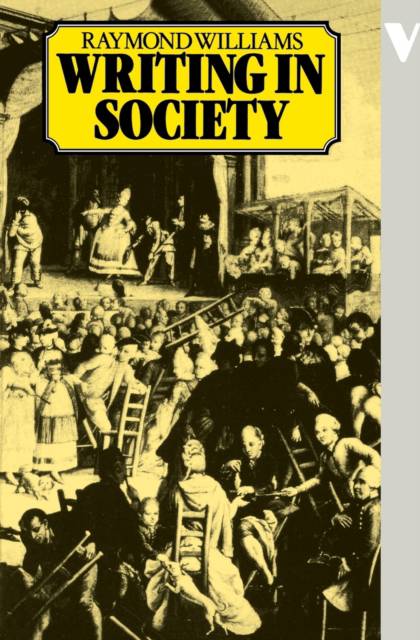
Raymond Williams's work was always concerned with the relation between culture and society. This book focuses on specific texts and authors, exploring the historical and cultural sources of their particular forms of writing. In it, Williams examines dramatic form and language in Racine and Shakespeare; the politics of fiction in the English Jacobin novel; David Hume and Charles Dickens and the changing characteristics of English prose; Robert Tressell, The Ragged-Trousered Philanthropists, and the role of region and class in the English novel. Also included are Williams's reflections on the rise of English studies, on their crisis as the literary traditions of Cambridge University were beset by the 'structuralist controversy', and on the wider implications of this redefinition of the critical field.
Specificaties
Betrokkenen
- Auteur(s):
- Uitgeverij:
Inhoud
- Aantal bladzijden:
- 278
- Taal:
- Engels
- Reeks:
Eigenschappen
- Productcode (EAN):
- 9780860917724
- Verschijningsdatum:
- 17/06/1985
- Uitvoering:
- Paperback
- Formaat:
- Trade paperback (VS)
- Afmetingen:
- 133 mm x 203 mm
- Gewicht:
- 317 g


Alleen bij Standaard Boekhandel
+ 51 punten op je klantenkaart van Standaard Boekhandel
Cadeau

AANGERADEN


Beoordelingen
We publiceren alleen reviews die voldoen aan de voorwaarden voor reviews. Bekijk onze voorwaarden voor reviews.