


- Afhalen na 1 uur in een winkel met voorraad
- Gratis thuislevering in België vanaf € 30
- Ruim aanbod met 7 miljoen producten
- Afhalen na 1 uur in een winkel met voorraad
- Gratis thuislevering in België vanaf € 30
- Ruim aanbod met 7 miljoen producten





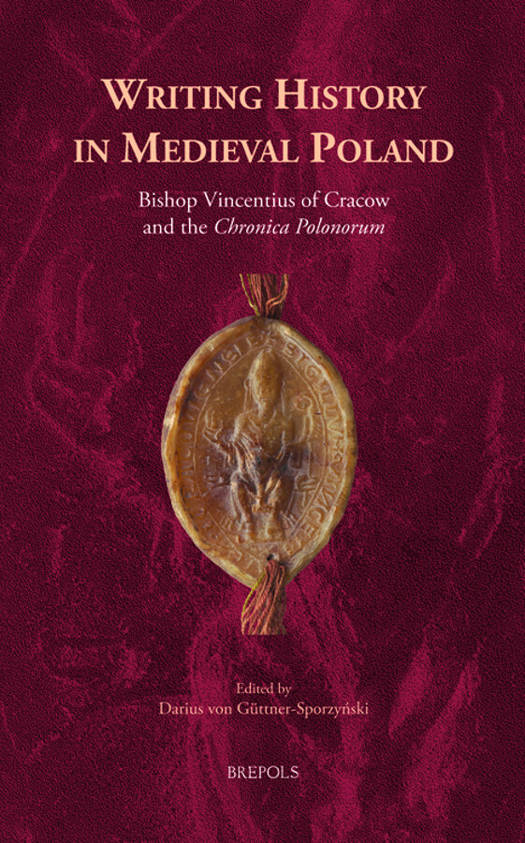
Writing History in Medieval Poland
Bishop Vincentius of Cracow and the 'Chronica Polonorum'
Darius von Güttner-Sporzyński
€ 95,40
+ 190 punten
Omschrijving
This volume presents an in-depth analysis of the Chronica Polonorum, one of the greatest works of the twelfth-century renaissance which profoundly influenced history writing in Central Europe. The Chronica Polonorum was written by Poland's first native historian Vincentius of Cracow. Educated in Paris and Bologna, he was the first canonically elected bishop of Cracow and a participant of the Fourth Lateran Council. The eyewitness accounts given in the Chronica Polonorum offer insights into the development of twelfth-century Poland, the ambitions of its dynasty, the country's integration into Christendom, and the interaction between the Polish and Western elites. Vincentius's work is considered a masterpiece in literary erudition grounded in classical training. The historical evidence it presents illuminates the socio-cultural interaction between Poland and the West during the period. Vincentius's chronicle demonstrates the strong, enduring influence of the history, law, and traditions of ancient Rome in twelfth-century Europe. This book deals with several subjects which have increasingly gained in prominence in English-language scholarship in recent years, such as the development of political culture, the diffusion and growth of ideas, the Christianization of the peripheral regions of Europe, and the interaction between cultural, political, and economic changes. In analysing the work of Vincentius and the Polish historiography of the Chronica Polonorum, this volume provides important insights into the development of the so-called peripheral regions of twelfth-century Europe and Poland's engagement in the twelfth-century renaissance.
Specificaties
Betrokkenen
- Auteur(s):
- Uitgeverij:
Inhoud
- Aantal bladzijden:
- 250
- Taal:
- Engels
- Reeks:
- Reeksnummer:
- nr. 28
Eigenschappen
- Productcode (EAN):
- 9782503569512
- Verschijningsdatum:
- 18/10/2017
- Uitvoering:
- Hardcover
- Formaat:
- Genaaid
- Afmetingen:
- 163 mm x 239 mm
- Gewicht:
- 635 g


Alleen bij Standaard Boekhandel
+ 190 punten op je klantenkaart van Standaard Boekhandel
Cadeau

AANGERADEN


Beoordelingen
We publiceren alleen reviews die voldoen aan de voorwaarden voor reviews. Bekijk onze voorwaarden voor reviews.