


- Afhalen na 1 uur in een winkel met voorraad
- Gratis thuislevering in België vanaf € 30
- Ruim aanbod met 7 miljoen producten
- Afhalen na 1 uur in een winkel met voorraad
- Gratis thuislevering in België vanaf € 30
- Ruim aanbod met 7 miljoen producten





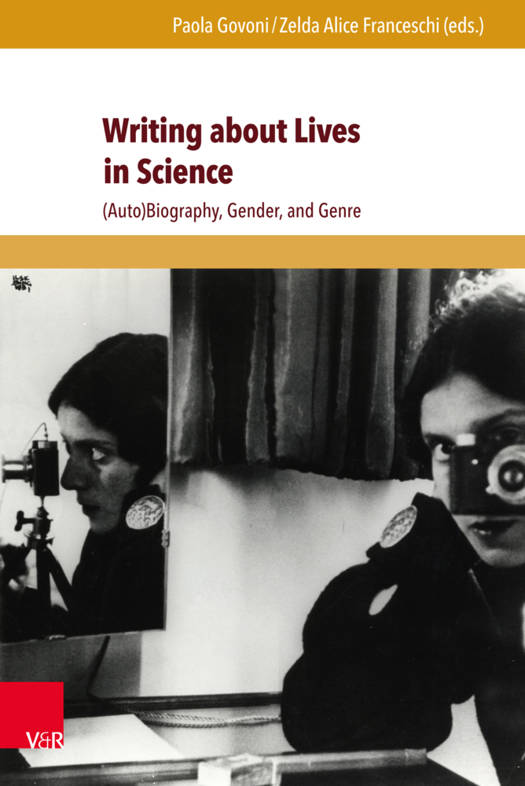
Writing about Lives in Science
(Auto)Biography, Gender, and Genre
€ 109,95
+ 219 punten
Omschrijving
Following discussions on scientific biography carried out over the past few decades, this book proposes a kaleidoscopic survey of the uses of biography as a tool to understand science and its context. It offers food for thought on the role played by the gender of the biographer and the biographee in the process of writing. To provide orientation in such a challenging field, some of the authors have accepted to write about their own professional experience while reflecting on the case studies they have been working on. Focusing on (auto)biography may help us to build bridges between different approaches to men and women's lives in science. The authors belong to a variety of academic and professional fields, including the history of science, anthropology, literary studies, and science journalism. The period covered spans from 1732, when Laura Bassi was the first woman to get a tenured professorship of physics, to 2009, when Elizabeth H. Blackburn and Carol W. Greider were the first women's team to have won a Nobel Prize in science.
Specificaties
Betrokkenen
- Uitgeverij:
Inhoud
- Aantal bladzijden:
- 287
- Taal:
- Engels
- Reeks:
- Reeksnummer:
- nr. 9
Eigenschappen
- Productcode (EAN):
- 9783847102632
- Verschijningsdatum:
- 14/05/2014
- Uitvoering:
- Hardcover
- Formaat:
- Genaaid
- Afmetingen:
- 157 mm x 231 mm
- Gewicht:
- 612 g

Alleen bij Standaard Boekhandel
+ 219 punten op je klantenkaart van Standaard Boekhandel
AANGERADEN


Beoordelingen
We publiceren alleen reviews die voldoen aan de voorwaarden voor reviews. Bekijk onze voorwaarden voor reviews.