


- Afhalen na 1 uur in een winkel met voorraad
- Gratis thuislevering in België vanaf € 30
- Ruim aanbod met 7 miljoen producten
- Afhalen na 1 uur in een winkel met voorraad
- Gratis thuislevering in België vanaf € 30
- Ruim aanbod met 7 miljoen producten





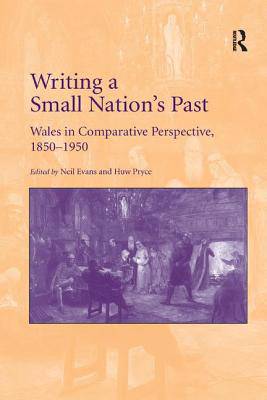
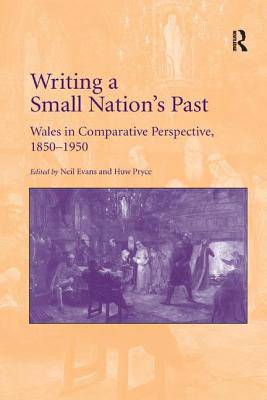
Writing a Small Nation's Past
Wales in Comparative Perspective, 1850-1950
Neil Evans
Paperback | Engels
€ 112,95
+ 225 punten
Uitvoering
Omschrijving
This is the first volume to examine how the history of Wales was written in a period that saw the emergence of professional historiography, largely focused on the nation, across Europe and in the United States. It thus sets Wales in the context of recent work on national history writing in the nineteenth and twentieth centuries, and, more particularly, offers a Welsh perspective on the ways in which history was written in small, mainly stateless, nations. The comparative dimension is fundamental to the volume's aim, highlighting what was distinctive about Welsh historical writing and showing how the Welsh experience mirrors and illuminates broader historiographical developments. The book begins with an introduction that uses the concept of historical culture as a way of exploring the different strands of historiography covered in the collection, providing orientation to the chapters that follow. These are divided into four sections: 'Contexts and Backgrounds', 'Amateurs and Popularizers', 'Creating Academic Disciplines', and 'Comparative Perspectives'. All these themes are then drawn together in the conclusion to examine how far Welsh historians exemplify widespread trends in the writing of national history, and thereby point-up common themes that emerge from the volume and clarify its broader significance for students of historiography.
Specificaties
Betrokkenen
- Auteur(s):
- Uitgeverij:
Inhoud
- Aantal bladzijden:
- 406
- Taal:
- Engels
Eigenschappen
- Productcode (EAN):
- 9781138707252
- Verschijningsdatum:
- 6/01/2017
- Uitvoering:
- Paperback
- Formaat:
- Trade paperback (VS)
- Afmetingen:
- 156 mm x 234 mm
- Gewicht:
- 566 g


Alleen bij Standaard Boekhandel
+ 225 punten op je klantenkaart van Standaard Boekhandel
Cadeau

AANGERADEN


Beoordelingen
We publiceren alleen reviews die voldoen aan de voorwaarden voor reviews. Bekijk onze voorwaarden voor reviews.