


- Afhalen na 1 uur in een winkel met voorraad
- Gratis thuislevering in België vanaf € 30
- Ruim aanbod met 7 miljoen producten
- Afhalen na 1 uur in een winkel met voorraad
- Gratis thuislevering in België vanaf € 30
- Ruim aanbod met 7 miljoen producten





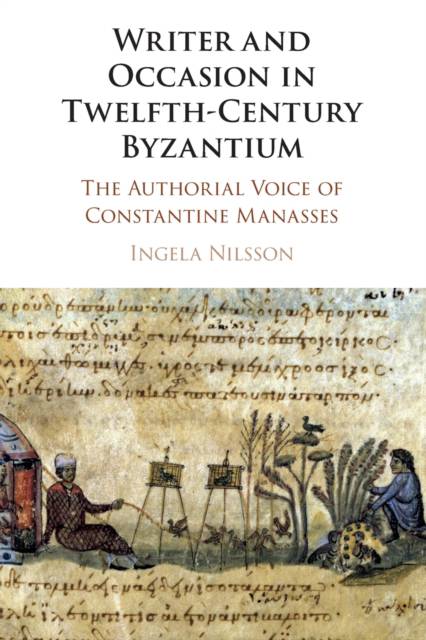
Writer and Occasion in Twelfth-Century Byzantium
The Authorial Voice of Constantine Manasses
Ingela Nilsson
Paperback | Engels
€ 50,45
+ 100 punten
Uitvoering
Omschrijving
In twelfth-century Constantinople, writers worked on commission for the imperial family or aristocratic patrons. Texts were occasioned by specific events, representing both a link between writer and patron and between literary imagination and empirical reality. This is a study of how one such writer, Constantine Manasses, achieved that aim. Manasses depicted and praised the present by drawing from the rich sources of the Graeco-Roman and Biblical tradition, thus earning commissions from wealthy 'friends' during a career that spanned more than three decades. While the occasional literature of writers like Manasses has sometimes been seen as 'empty rhetoric', devoid of literary ambition, this study assumes that writing on command privileges originality and encourages the challenging of conventions. A society like twelfth-century Byzantium, in which occasional writing was central, called for a strong and individual authorial presence, since voice was the primary instrument for a successful career.
Specificaties
Betrokkenen
- Auteur(s):
- Uitgeverij:
Inhoud
- Aantal bladzijden:
- 232
- Taal:
- Engels
Eigenschappen
- Productcode (EAN):
- 9781108824262
- Verschijningsdatum:
- 10/03/2022
- Uitvoering:
- Paperback
- Formaat:
- Trade paperback (VS)
- Afmetingen:
- 152 mm x 229 mm
- Gewicht:
- 317 g


Alleen bij Standaard Boekhandel
+ 100 punten op je klantenkaart van Standaard Boekhandel
Cadeau

AANGERADEN


Beoordelingen
We publiceren alleen reviews die voldoen aan de voorwaarden voor reviews. Bekijk onze voorwaarden voor reviews.