


- Afhalen na 1 uur in een winkel met voorraad
- Gratis thuislevering in België vanaf € 30
- Ruim aanbod met 7 miljoen producten
- Afhalen na 1 uur in een winkel met voorraad
- Gratis thuislevering in België vanaf € 30
- Ruim aanbod met 7 miljoen producten





€ 67,95
+ 135 punten
Uitvoering
Eenvoudig bestellen
Veilig betalen


Gratis thuislevering vanaf € 30 (via bpost)
Gratis levering in je Standaard Boekhandel
Omschrijving
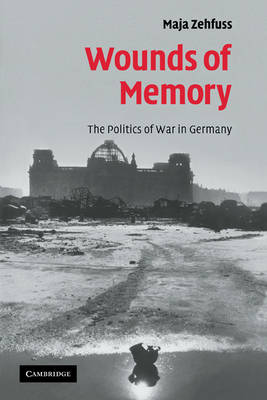
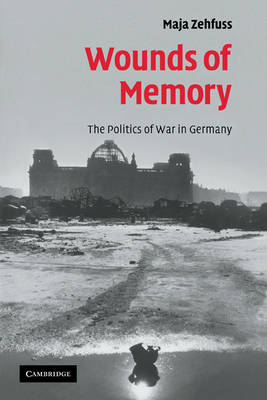
German memories of the Second World War are controversial, and they are used to justify different positions on the use of military force. In this book, Maja Zehfuss studies the articulation of memories in novels in order to discuss and challenge arguments deployed in political and public debate. She explores memories that have generated considerable controversy, such as the flight and expulsion of Germans from the East, the bombing of German cities and the 'liberation' of Germany in 1945. She shows how memory retrospectively produces a past while claiming merely to invoke it, drawing attention to the complexities and contradictions within how truth, ethics, emotion, subjectivity and time are conceptualised. Zehfuss argues that the tensions and uncertainties revealed raise political questions that must be confronted, beyond the safety net of knowledge. This is a compelling book which pursues an original approach in exploring the politics of invocations of memory.
Specificaties
Betrokkenen
- Auteur(s):
- Uitgeverij:
Inhoud
- Aantal bladzijden:
- 312
- Taal:
- Engels
Eigenschappen
- Productcode (EAN):
- 9780521174466
- Verschijningsdatum:
- 3/03/2011
- Uitvoering:
- Paperback
- Formaat:
- Trade paperback (VS)
- Afmetingen:
- 152 mm x 229 mm
- Gewicht:
- 458 g


Alleen bij Standaard Boekhandel
+ 135 punten op je klantenkaart van Standaard Boekhandel
CADEAU

AANGERADEN


Beoordelingen
We publiceren alleen reviews die voldoen aan de voorwaarden voor reviews. Bekijk onze voorwaarden voor reviews.