


- Afhalen na 1 uur in een winkel met voorraad
- Gratis thuislevering in België vanaf € 30
- Ruim aanbod met 7 miljoen producten
- Afhalen na 1 uur in een winkel met voorraad
- Gratis thuislevering in België vanaf € 30
- Ruim aanbod met 7 miljoen producten





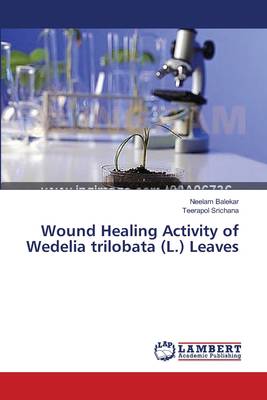
Wound Healing Activity of Wedelia trilobata (L.) Leaves
Neelam Balekar, Teerapol Srichana
Paperback | Engels
€ 76,45
+ 152 punten
Omschrijving
Traditional knowledge-driven bioprospecting offers access to multiple targets that can provide a safer and more cost-effective platform for newer scaffolds to facilitate drug discovery. Medicinal herbs have been used since ancient time to heal wounds, skin ulcers, pressure sores, bed sores and burns. More than 80% of the world's population still relies upon traditional medicines for varied skin diseases. The presence of various health sustaining constituents in plants has activated scientists to examine these plants with a view to determine potential wound healing properties. The medicinal value of these plants lies in their bioactive components that produce exact physiological actions on the human body. These constituents include various members of chemical families like alkaloids, essential oils, avonoids, tannins, terpenoids, saponins, and phenolic compounds. Herbal medicines used for wound management involve disinfection, debridement and even by just providing a moist environment that will encourage natural healing processes.
Specificaties
Betrokkenen
- Auteur(s):
- Uitgeverij:
Inhoud
- Aantal bladzijden:
- 140
- Taal:
- Engels
Eigenschappen
- Productcode (EAN):
- 9783659475290
- Verschijningsdatum:
- 26/10/2013
- Uitvoering:
- Paperback
- Afmetingen:
- 150 mm x 220 mm
- Gewicht:
- 213 g


Alleen bij Standaard Boekhandel
+ 152 punten op je klantenkaart van Standaard Boekhandel
Cadeau

AANGERADEN


Beoordelingen
We publiceren alleen reviews die voldoen aan de voorwaarden voor reviews. Bekijk onze voorwaarden voor reviews.