


- Afhalen na 1 uur in een winkel met voorraad
- Gratis thuislevering in België vanaf € 30
- Ruim aanbod met 7 miljoen producten
- Afhalen na 1 uur in een winkel met voorraad
- Gratis thuislevering in België vanaf € 30
- Ruim aanbod met 7 miljoen producten




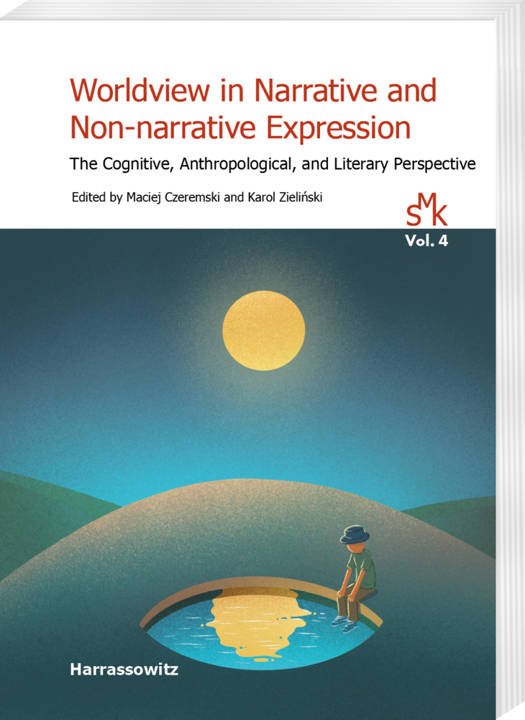
Worldview in Narrative and Non-Narrative Expression
Worldview in Narrative and Non-Narrative Expression
€ 132,45
+ 264 punten
Omschrijving
Worldviews undoubtedly influence the shape and reception of utterances. The examination of causes and consequences of this phenomenon requires taking into account the context in which an utterance is formed and in which worldview beliefs function. In order to describe the cultural and cognitive conditioning of the utterance, it is therefore necessary to employ an interdisciplinary approach. In addition to literary and linguistic standpoints, it is important to take into account the anthropological perspective and the evolutionary development of human cognitive abilities. The authors of the articles collected in this book aim to present how the utterance is embedded in the worldview of its author and his audience. The articles address various aspects of the relationship between worldview beliefs with narrative and non-narrative forms in various geographical areas and historical periods. They discuss the issues of differences in worldviews and their impact on the functioning of utterances, and also concentrate on the processes of cultural change evoking structural transformations on the worldview-utterance axis. The adopted research perspective stresses the difference between the conditions of worldview transmission in oral and written culture, in the latter one the intentions of the author of an utterance being more clearly marked. The use of words and images to transmit worldview beliefs is thus subjected to a multifaceted analysis carried out with the combined tools of cognitive science, cultural anthropology, linguistics and literary studies.
Specificaties
Betrokkenen
- Uitgeverij:
Inhoud
- Aantal bladzijden:
- 222
- Taal:
- Engels
- Reeks:
- Reeksnummer:
- nr. 4
Eigenschappen
- Productcode (EAN):
- 9783447117869
- Verschijningsdatum:
- 21/12/2021
- Uitvoering:
- Paperback
- Formaat:
- Trade paperback (VS)
- Afmetingen:
- 170 mm x 16 mm
- Gewicht:
- 8518 g

Alleen bij Standaard Boekhandel
+ 264 punten op je klantenkaart van Standaard Boekhandel
Wedstrijd


Beoordelingen
We publiceren alleen reviews die voldoen aan de voorwaarden voor reviews. Bekijk onze voorwaarden voor reviews.